

What makes designing educational environments different from designing other types of spaces?
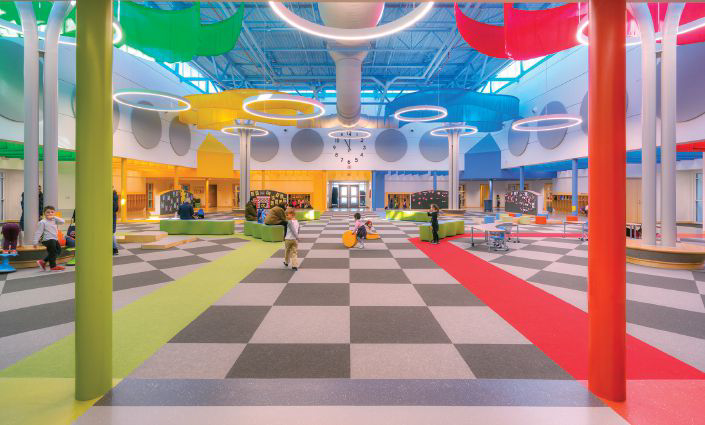
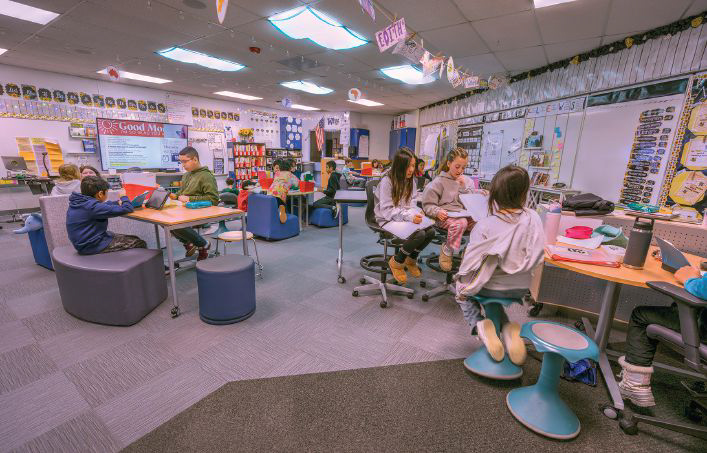
Designing educational environments goes beyond aesthetics and functionality. While most design sectors focus on current trends, schools require a deeper understanding of how space supports learning. It’s not about design trends; it’s about educational trends. A visually appealing space is ineffective if it fails to align with instructional goals. Each client has a unique vision for student growth, supporting academic, social, and emotional development. It’s our job to reflect that with intentional, purpose-driven design decisions.
How can designers ensure their work aligns with a school district’s educational goals?
Designers must begin by asking the right questions. Educational alignment happens through curiosity, listening, and empathy. We don’t need to have all the answers. The worst thing we can do for clients is make assumptions that we do. We must be willing to learn, ask for clarity, and understand the client’s language. Asking who, what, where, when, and especially why helps establish the foundation of alignment. Once the why is clearly defined, meaningful decisions follow.
What roles do empathy and stakeholder input play in creating meaningful learning environments?
Empathy is essential to educational design. When we empower the right stakeholders, such as teachers, students, and respected leaders, we gather diverse perspectives that shape better outcomes. Each person brings a different lens and that diversity informs thoughtful solutions. Empathy helps us step into others’ experiences and move beyond assumptions. When we listen and ask questions with humility, we unveil all the factors in play creating environments that truly serve the people in them.