

What is your background and your current role?
I’ve been with ESa for four years and currently serve as a Project Manager, with a background spanning education, commercial, and community + arts projects. My interest in architecture started young, building with LEGOs and mixing sets to explore different possibilities. I found ESa through a friend and was drawn to its collaborative atmosphere.
Since joining, I’ve worked across project types and alongside colleagues with diverse perspectives, shaping how I approach functional, responsive design.
How has your knowledge of acoustics in higher education design impacted the design of educational environments?
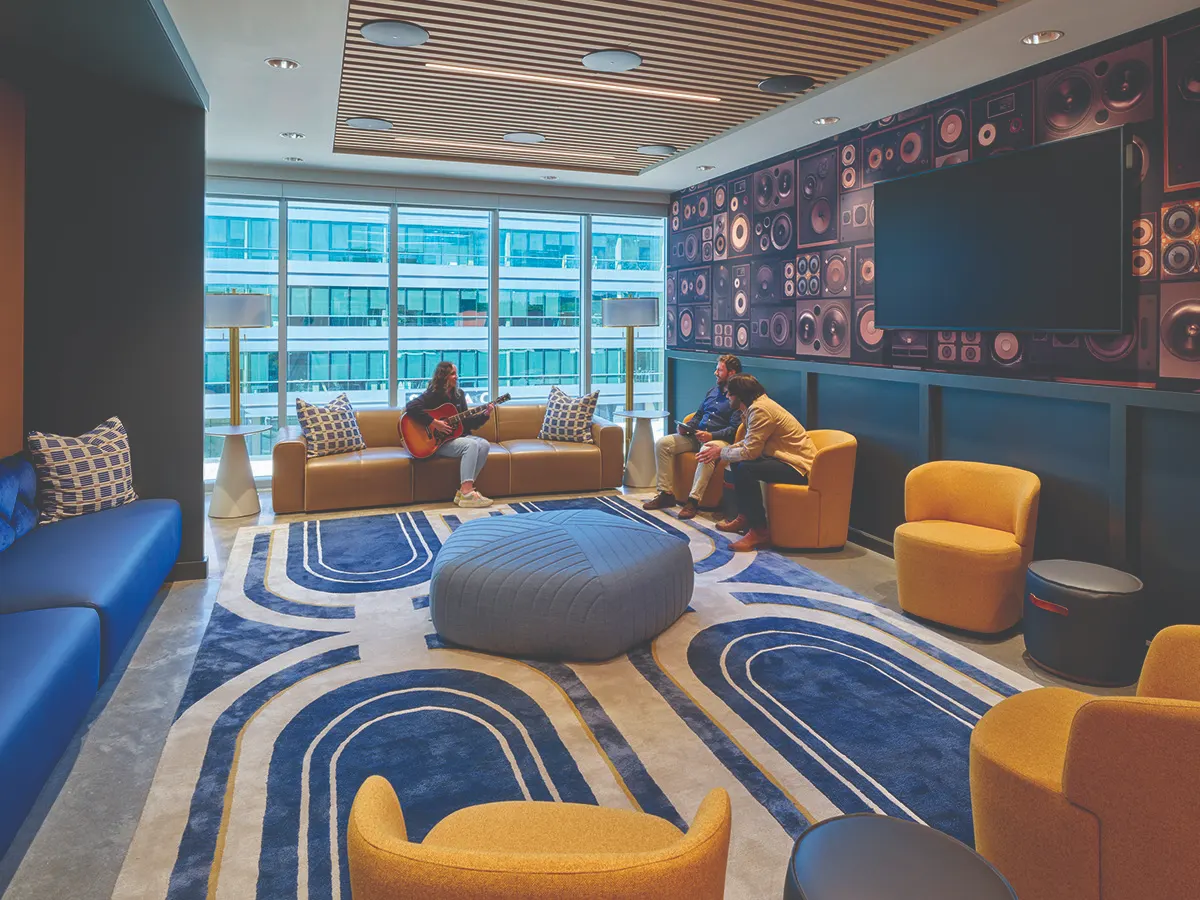
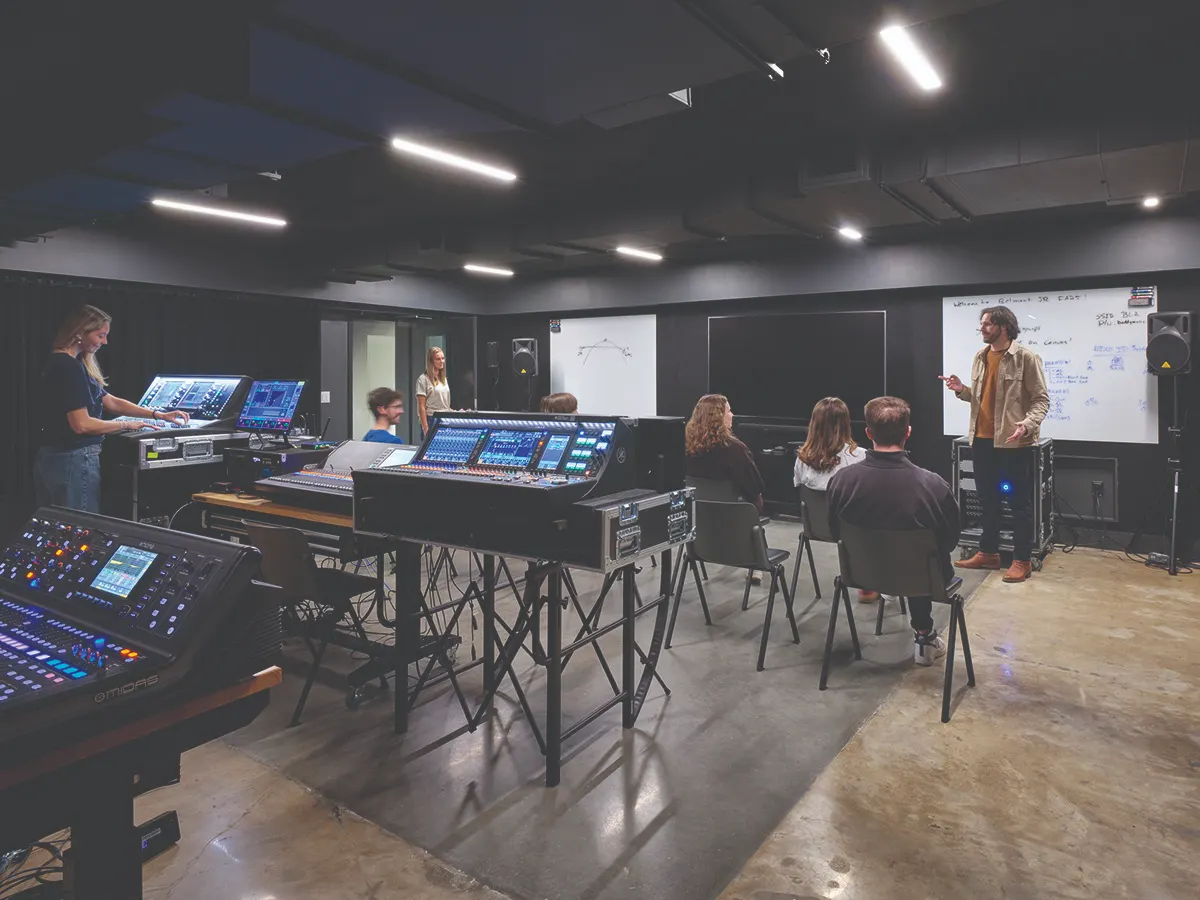
Acoustics play a critical role in creating educational spaces that are functional, flexible, and right-sized to their use. At Belmont University’s Buddy Lee Attraction/Capitol Records renovation, we adapted acoustic solutions to an existing 1960s building, carefully reinforcing walls, floors, and ceilings while considering adjacent spaces. The project reinforced the importance of understanding how users will occupy a space, planning for future flexibility, and paying close attention to the details that make acoustic performance and student learning successful.
Tell us about a significant contribution you’ve made to the industry and/or a valuable piece of advice when building or renovating educational space.
My advice is to start with active listening and give clients the solution they need, not simply the one you prefer. A collaborative, egoless approach helps create spaces that are intuitive, flexible, and responsive to how education continues to evolve. In acoustics, flexibility should be carefully considered and balanced without overwhelming users with endless options. Thoughtful, adaptable solutions can support students and faculty while allowing spaces to evolve with technology, teaching methods, and future needs.