

Why is it important to reinvigorate/reinvent existing structures?
Sustainability and a connection to the campus history are two reasons why it’s imperative that we look at re-using or reinventing existing buildings. The simplest sustainable strategy in architecture is to reuse existing structures, rather than developing on greenfield sites. Rehabilitation connects history and sentiment by creating a sense of place, one that unites the modern users to the previous generations.
What are some of the benefits & challenges?
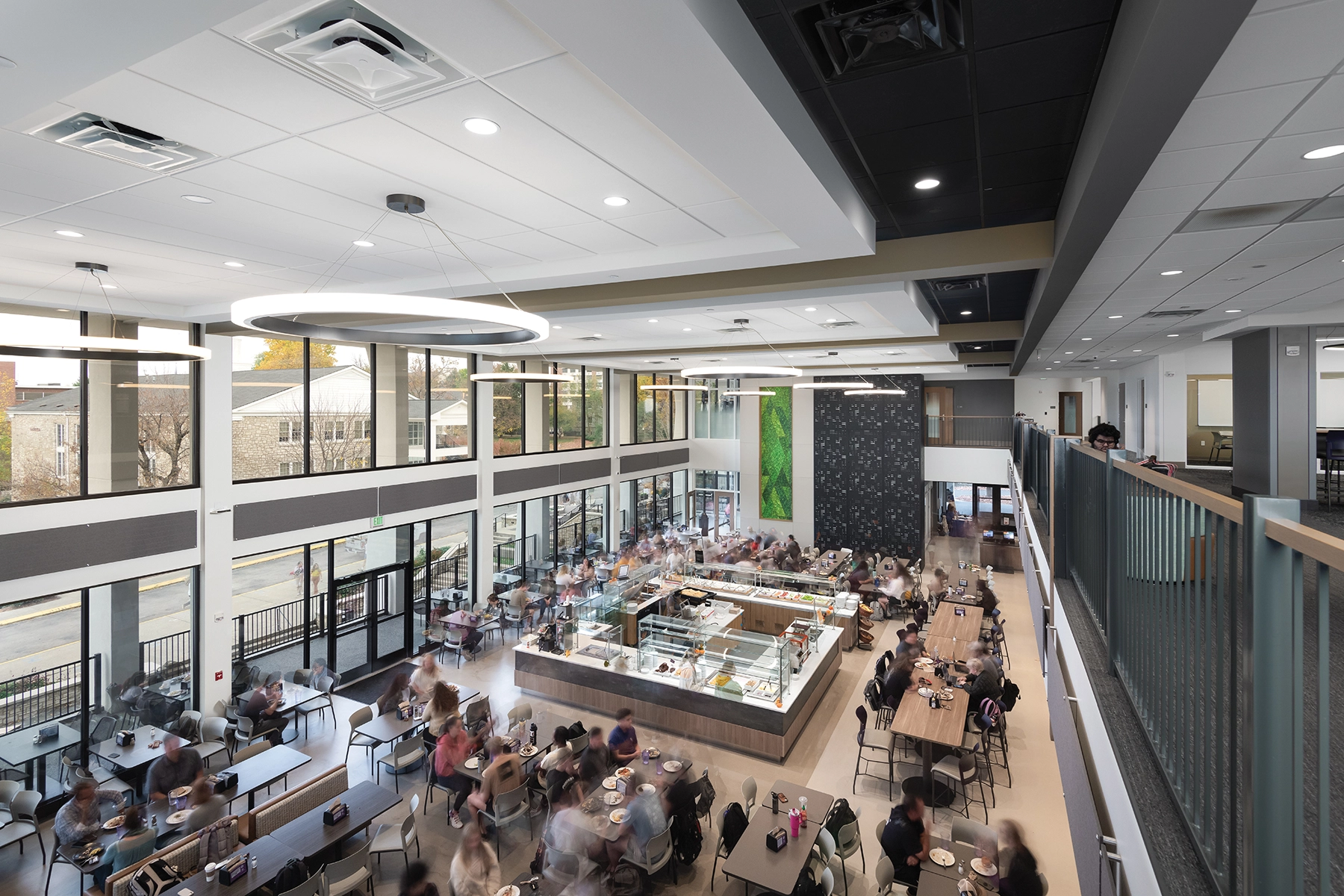
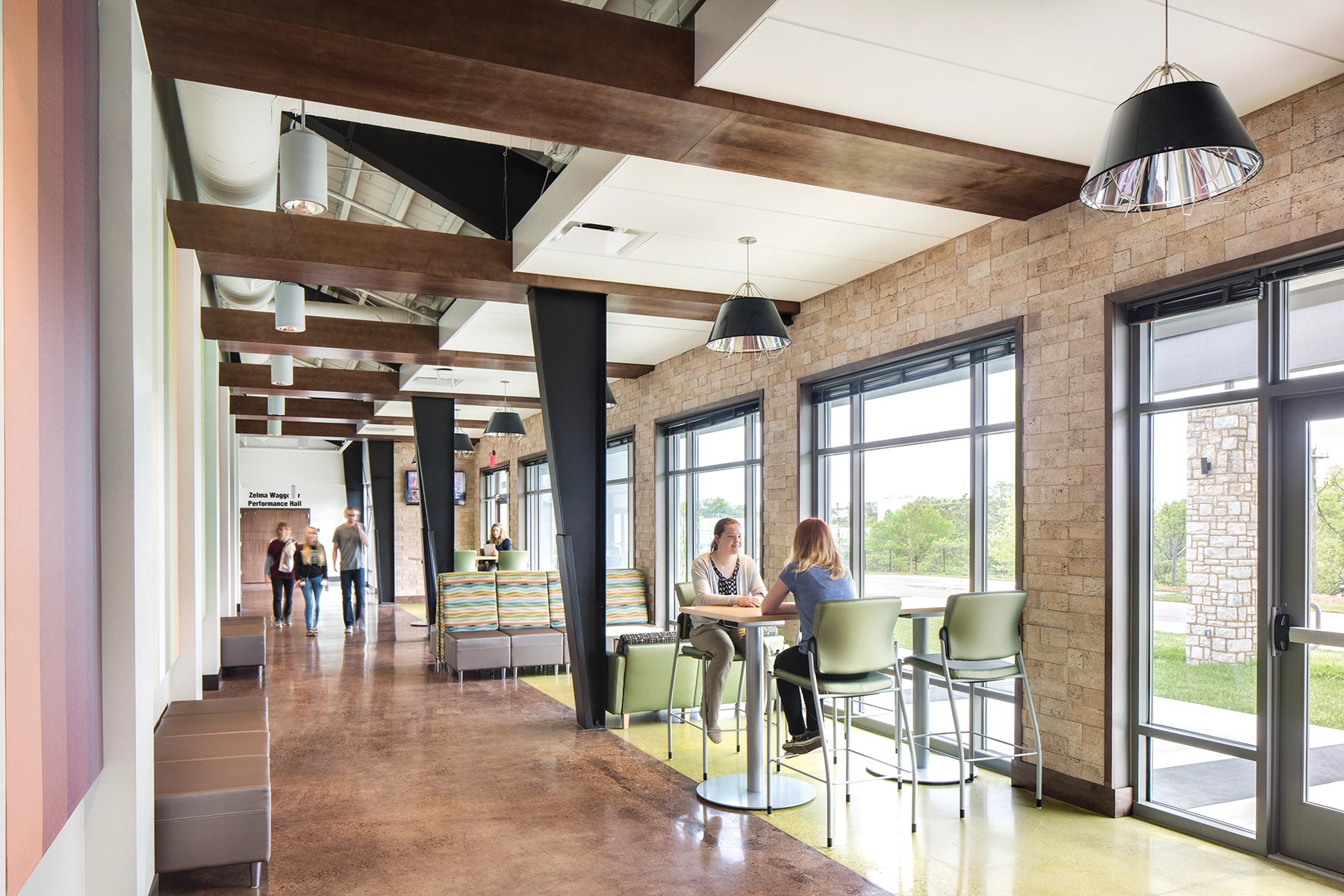
The benefits are many, as can be the challenges. When schools, colleges, or universities revitalize buildings, it gives new life and longevity to an existing asset, but rehabilitation projects may have elevated costs initially compared to new construction due to things like upgrading infrastructure, building code improvements, and inefficient floor plates. However, these projects create opportunity for dynamic, interesting, and completely customized spaces—a historic gymnasium housing new technology labs, an abandoned basement is retrofitted into a health center, or a former trucking depot becomes a student arts building. Almost anything is possible, and these challenging projects can result in creating special environments.
How do you approach “re-using” an existing building?
The approach starts with detailed assessments from the design team (engineering evaluations, on-site 3D scanning, site walks). It is essential to have a deep understanding of the existing context to set the project up for success. The design process is next, working through initial programming, Owner’s priorities, and identifying the major project challenges. Overall, the more investigation and coordination over the design process, the more successful the project will be during construction.