In 2025, the eldest members of Generation Alpha are turning 15 and making their presence known in a powerful way. Born into a digital world, they are true digital natives—visual learners with entrepreneurial spirits. They’ve had the world at their fingertips since birth, and they use it to explore, create, and improve their surroundings. But constant connection comes with costs: shortened attention spans, digital addiction, cyberbullying risks, and emotional challenges. Even more than Gen Z, Alphas are experiencing sensory overload, reduced physical activity, and a disillusioned view of the world.
Yet, for a generation so plugged in, it may be surprising that they crave the opposite in school. In classrooms, they seek rich sensory experiences, practical applications, and interactive learning that goes beyond screens. A worldwide review by Jeff Mann of Western Sydney University explains, “children are moving indoors at a vital time in their growth and development when the evidence base suggests they would benefit from time outdoors.”
The Healing Power of Nature
The benefits of being outside have long been known. Time in nature slows heart rates, reduces stress, sharpens sensory awareness, and boosts overall well-being. Historically, doctors prescribed fresh air to treat ailments from tuberculosis to mental disorders. Today, research shows nature releases “happy hormones” like dopamine and oxytocin and helps offset social media’s anxiety-inducing effects. We can’t change the fact that students will remain attached to their devices. But we can change the setting. By taking learning outdoors—with technology in hand—schools can balance screen use with the restorative benefits of nature.
Outdoor learning addresses Generation Alpha’s physiological and psychological needs while tapping into their curiosity and entrepreneurial drive. Unlike traditional sedentary models, outdoor environments support movement, autonomy, and self-directed learning.
Imagination Unleashed
“Outdoor environments have the potential to empower children to let their imaginations and bodies roam free, to transform their surroundings, to invent and create,” states a Finnish study led by Leena Kiviranta. Time spent outside sparks curiosity, ignites multisensory learning, and calms the mind—perfect conditions for connection, exploration, and self-discovery. For Alphas, who are naturally inquisitive, deeper connections with nature foster wonder, introspection, and appreciation of their place in the world.
Schools worldwide are embracing outdoor learning to combat the “digital doldrums.” Studies confirm the payoff: Finnish research shows outdoor lessons increase teamwork and responsibility, while research in Barcelona revealed schools with outdoor learning areas saw up to 54% higher classroom engagement afterward.
Adolescence is a crucial stage of identity formation and autonomy. Nature, with its calming yet stimulating qualities, supports sensory processing and emotional regulation. It also helps counter “nature deficit disorder,” the overload caused by constant digital exposure.
Designing Productive Outdoor Learning Spaces
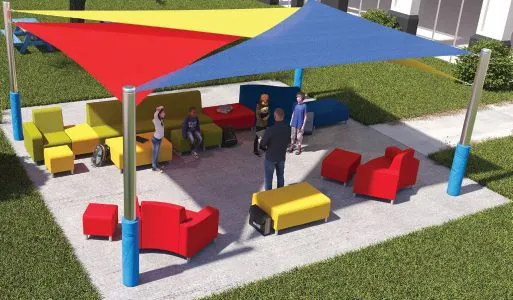
Outdoor learning spaces need more than a patch of grass. To truly benefit students, they must be intentionally designed for comfort, flexibility, and inspiration. Like indoor spaces, these areas should foster ownership and autonomy while supporting healthy bodies and active minds.
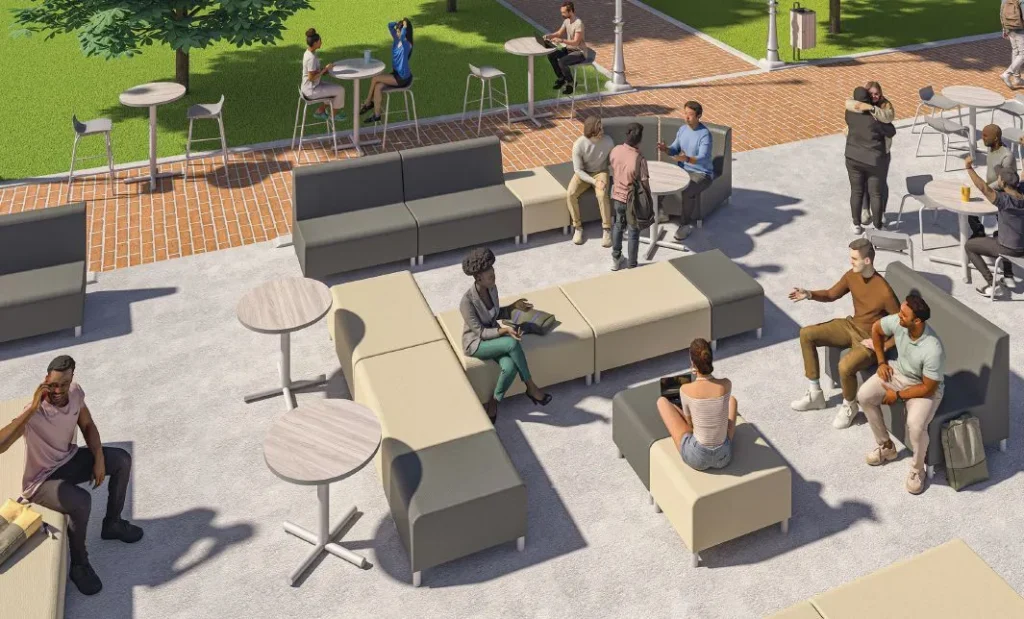
Furniture plays a central role. Outdoor learning furniture must be inviting, comfortable, and reflective of home-like environments. Schools should move away from outdated designs made of hot metal or rigid plastic that discourage extended use. Instead, they should embrace durable, ergonomic, weather-resistant pieces that welcome students in and allow them to learn comfortably. When students are physically supported, they have more energy to engage in high-performance learning for longer periods.
Mobile and modular furniture enhances adaptability. Students can reconfigure their space repeatedly, tailoring it to different learning styles. Pieces that transition seamlessly from indoors to outdoors provide even more flexibility, enabling personalized learning and making students active agents in their educational journey.
Beyond Structured Lessons
Not all time outside has to be formal learning. Simply being in nature—even for ten minutes—improves cognitive function, memory, creativity, and problem-solving. Exposure to natural light regulates circadian rhythms, leading to better sleep and improved emotional, psychological, and physical health.
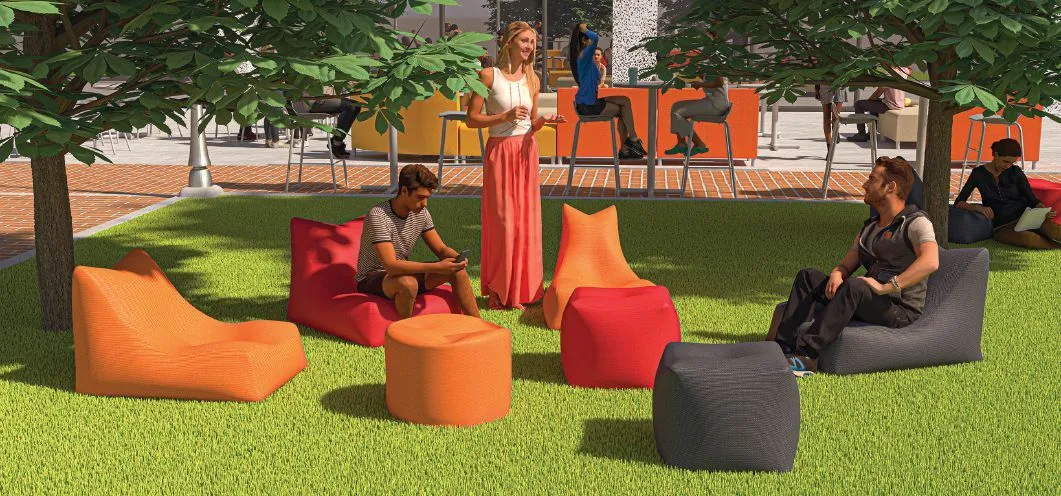
Welcoming lounge areas encourage both rest and socialization. Soft seating, beanbags, and rearrangeable clusters allow for collaboration, quiet time, or spontaneous group activities. Elements like wind chimes and natural textures provide multisensory stimulation, deepening the restorative benefits of time outdoors.
A Radical Shift for a Digital Generation
From digital dependency to social disillusionment, Generation Alpha faces unique challenges. Outdoor learning offers a powerful solution. By creating spaces that combine comfort, adaptability, and nature’s benefits, schools can help this generation flourish.
The shift requires more than just moving lessons outside—it demands a reimagining of learning environments. Comfortable, home-like, student-centered furniture transforms outdoor areas into true extensions of the classroom. When schools commit to these changes, they unlock not just academic gains but lifelong habits of curiosity, resilience, and well-being.
Generation Alpha is poised to redefine the world. With the right spaces, they can rediscover balance, thrive in their learning, and carry forward an insatiable sense of wonder.