

The Association for Learning Environments

The Association for Learning Environments

Design for Belonging in Learning Environments

By Julia Eiko Hawkinson, FAIA, ALEP, WELL AP, and Ross Parker, AIA, ALEP

“Belonging helps us to be fully human. It gives us permission to share our talents and express our life force. It enables cooperation, collaboration, and the ability to work across differences. It emboldens our creativity and our problem-solving abilities. When people feel like they belong, they are able to be their best and do their best.” — Susie Wise 

When we host visitors in our home, social norms dictate we put in the effort to make them feel welcome. We provide directions, a clear path to the entrance, and invite them to enter. We ask how they are doing or if they need anything and provide comfort by taking their coats, offering a place to sit, and adjusting the temperature, light, and music levels. We offer an adjustable seat and throw cushions, something to eat or drink, and directions to the bathroom. We suggest a tour of the house, garden, or neighborhood, introduce them to others who are present, and describe artwork, photos, and memorabilia. We ask them questions about themselves and solicit opinions or assistance with a problem or task. When parting, we invite them to return “anytime.”

We create feelings of belonging for others because it is an innate human need—because of its importance to our relationships and our wider social fabric. Belonging is a powerful emotional need that comes from being understood and accepted; from feelings of connection, support, and empowerment. It is the opposite of othering, rejection, and isolation. When we belong, we have presence, influence, and meaning.

The same feelings of connection we experience with others can be felt with places. Designing for belonging in places where we spend our formative years involves relationships that can last for generations—from the earliest idea for the creation of place to beyond the design’s physical presence. As a shaper of our built and relational environments, design can foster belonging in its process, in the realized outcome, and through behaviors it encourages and supports. Incorporating belonging into design requires a fundamental shift, encouraging us to continually ask a single, simple question: How will it make me feel?

Listening and Inviting

An inclusive process requires alignment with the users’ vision and voice, starting with listening and considering:

  • Who has important information, community influence, and represents even the quietest voices.
  • Where community members prefer to gather and share, as individuals, groups, in person, remotely, privately, anonymously, with discourse or statement.
  • When community members can meet—beyond project leaders or the vocal few—and provide adequate time for different conversation styles, quiet reflection, and deliberation (which vary by culture).
  • How to engage with language: written, spoken, or signed; with authentic voice—cultural, generational, behavioral (terminology, formality, body language, groupings) considerations; preferred technologies (hard copy or digital/online).
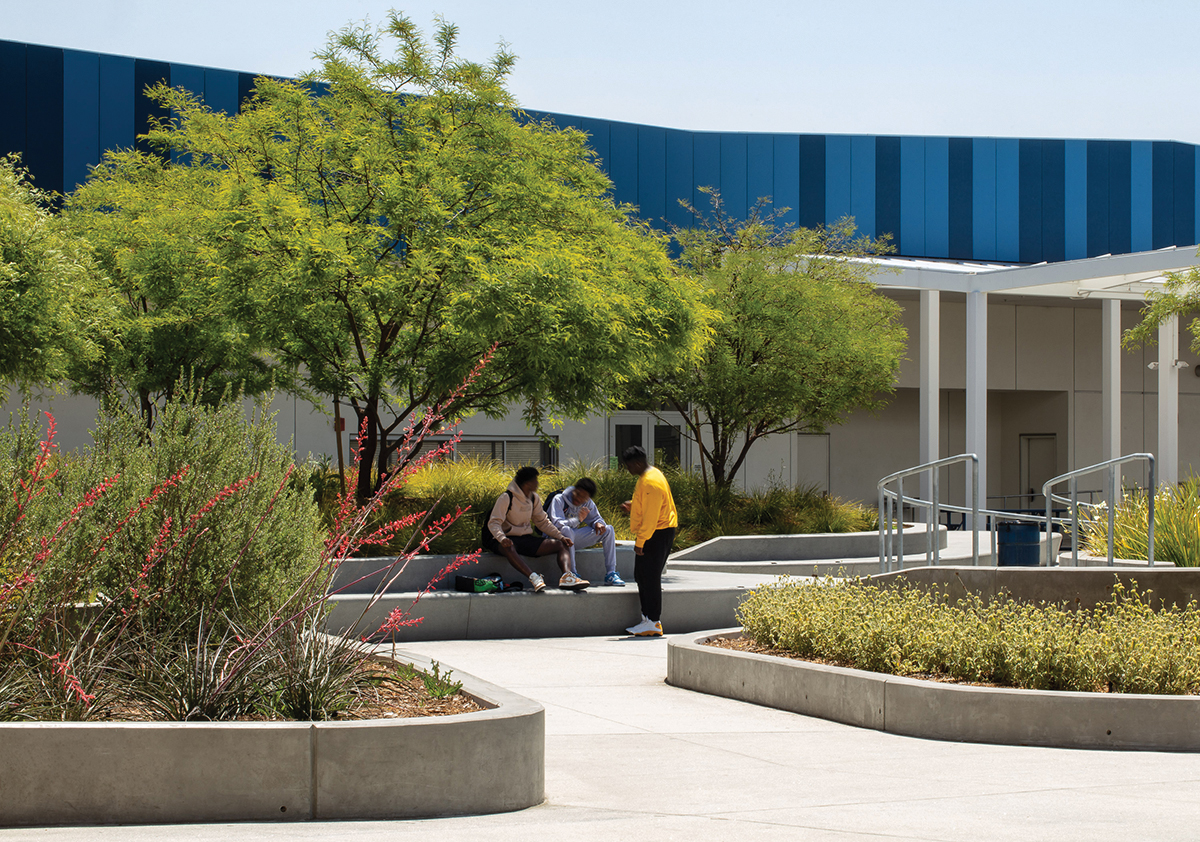
Crenshaw High School, Los Angeles Unified School District | Architect: NAC Architecture. Photo: Michael Wells Photography

Crenshaw High School, Los Angeles Unified School District | Architect: NAC Architecture. Photo: Michael Wells Photography

Iteration of engagement should be as integral as iteration of design, from earliest pre-design through to post-occupancy.

Employing a cultural liaison, ideally from the community, may serve to bridge between cultures and generations, eliminate an “us” and “them” (project leads and community) mentality, and provide authentic and useful rooting of the project in the community. Consider engaging community-based consultants, parents, or students with a personal stake in the overall success of the project (but not in a specific outcome).

Proceeding at the speed of trust normally requires additional time, but not securing support early may increase misunderstandings of vision and functional considerations and create community resistance to this or future projects. Benefits of robust and healthy engagement far outweigh the challenges, as the process provides clear focus and direction for designing a place of belonging.
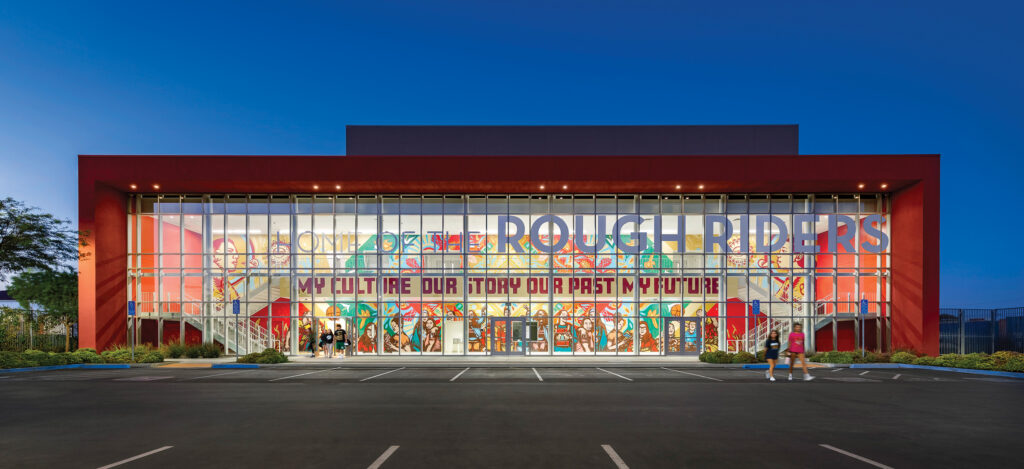
Roosevelt High School, Los Angeles Unified School District | Architect: LPA | Artist: Kalli Arte. Photo: Cristian Costea, Costea Photography, Inc.

Learning Environment Design

Translating aspirations and concepts into physical space and evoking feelings through the environment are the greatest challenges and highest goals of architecture. Although all people may share some innate human responses to space and design, creating places of belonging requires listening, empathy, and understanding of the unique character of the communities and students we serve. The following narrates the experience of a place of belonging from a student’s perspective.

The student arrives at their school in the morning with their parents. The school has a strong presence in the community and is identifiable with its name prominently displayed. It is the name of a person who evokes strong positive feelings for the student. The colors and materials of the school entry reflect the community, and the student feels a sense of pride and identity with their school. As they enter, their parents are welcomed alongside the student.

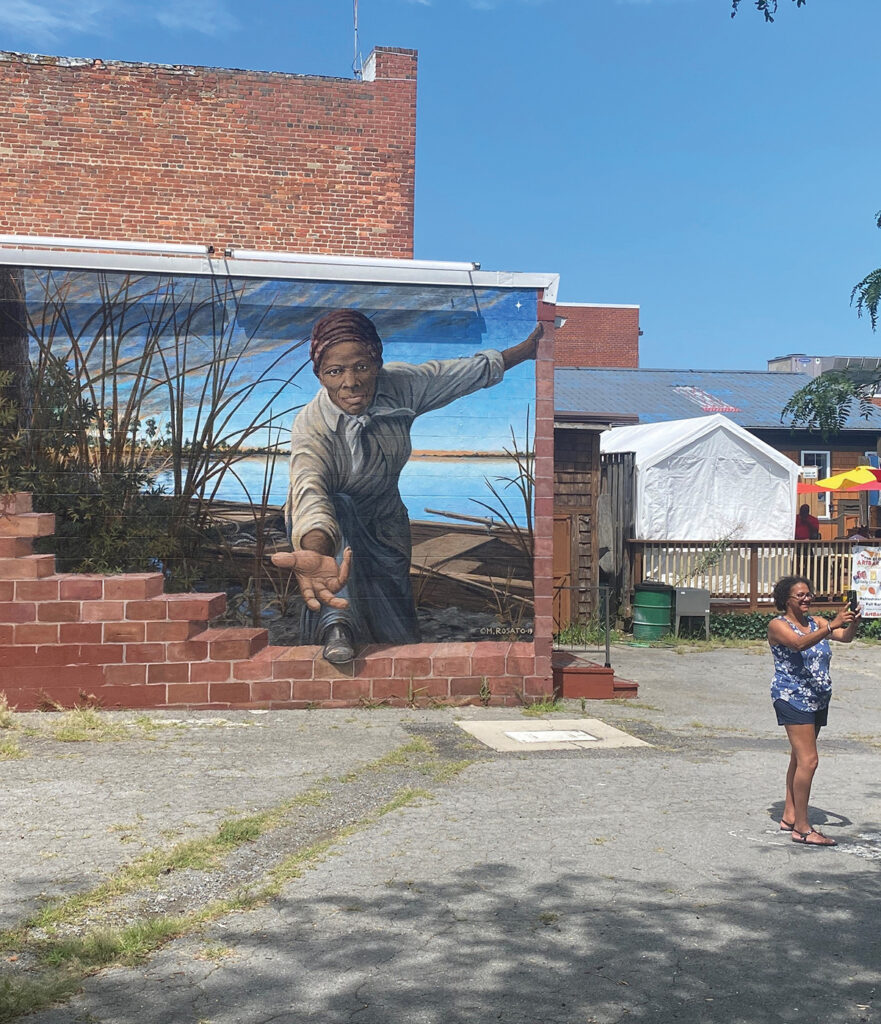
The student is greeted on arrival with a mural depicting people who look like them. The colors and imagery align with, respect, and honor their background and experiences, and they feel connected. Displays of school programs and projects invite students and parents to participate, and student art and projects are displayed and celebrated throughout the school. Images of students and teachers reflect the heritage, genders, ethnicities, cultures, ages, and abilities of the student, their parents, and their friends and families.

The students and their families are able to easily find their way around and understand where they are. Signage and circulation are clear, and windows help orient them to the sun, trees, and surrounding streets and buildings. They see and feel where they are in their community and inside the school; they feel connected to the community.

Harriet Tubman Museum & Educational Center, Cambridge MD | Artist: Michael Rosato. Photo: Ross Parker

Several languages are displayed in the signage and notices— one is dominant in the community, and the others reflect the languages spoken at the homes of this student and their friends and neighbors. This communicates to them in a familiar way and inspires their curiosity about other languages and cultures. Several students are studying the large world map on the library wall, talking about where their friends and ancestors may have come from, where their history project is focusing, and where they would like to travel.

The parents say goodbye to the student and go to a meeting in the parent center where they participate in activities planned specifically for them. The student joins their classmates and together they find their way to their classroom.

In the classroom, the student finds a variety of options to settle in for their day of learning. The student prefers sitting in the front, and one of their friends prefers a standing desk at the back.Another one of their friends prefers sitting in the soft seating in a quiet part of the classroom. As they begin their day, there is a place for each student. There is daylight in the classroom, the temperature is comfortable, there is ample fresh air, and there are views outside to nature. The teacher begins the day’s schedule. The student is able to communicate easily with the teacher. The technology and acoustics support their needs to hear and be heard in class. The furniture is easily adjustable and movable so that the student may modify the learning environment to meet their needs and preferences.

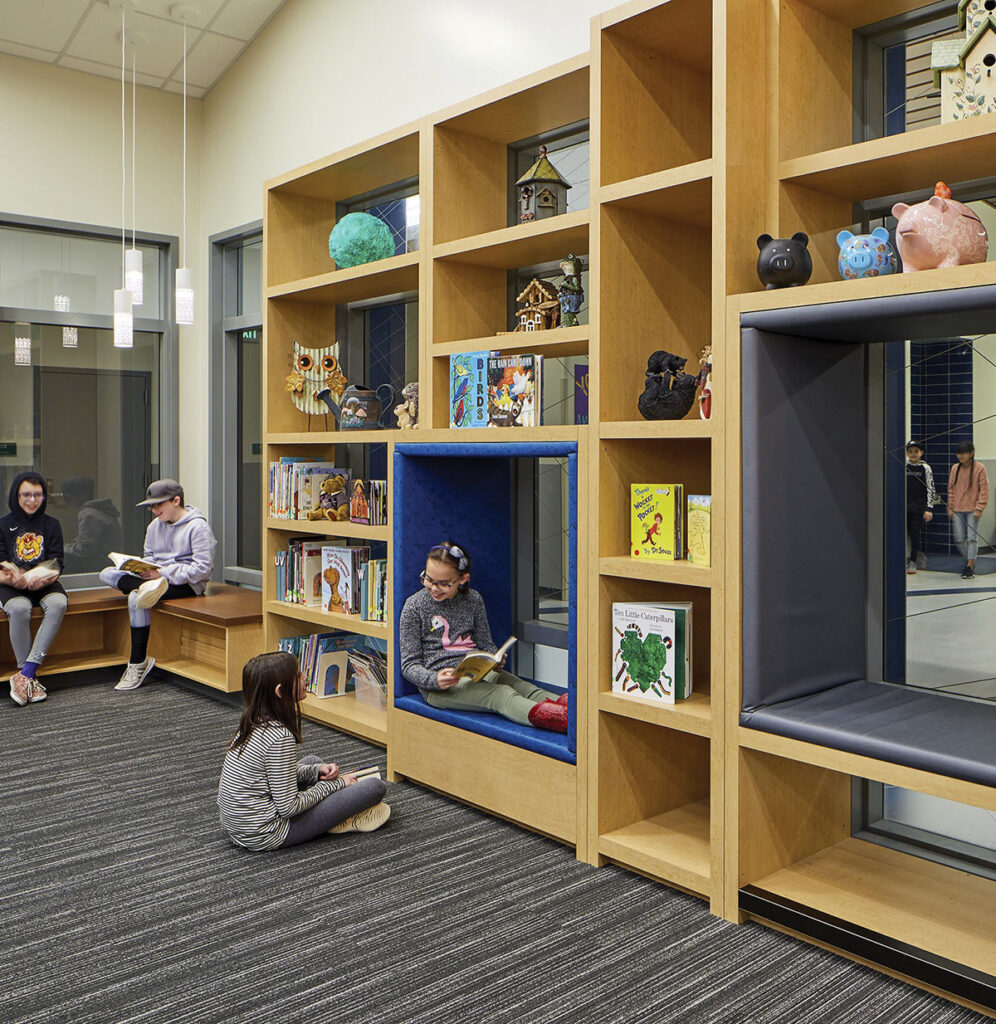
McClane Elementary School, Olympia School District, Olympia WA | Architect: BCRA. Photo: Aaron Locke Photography
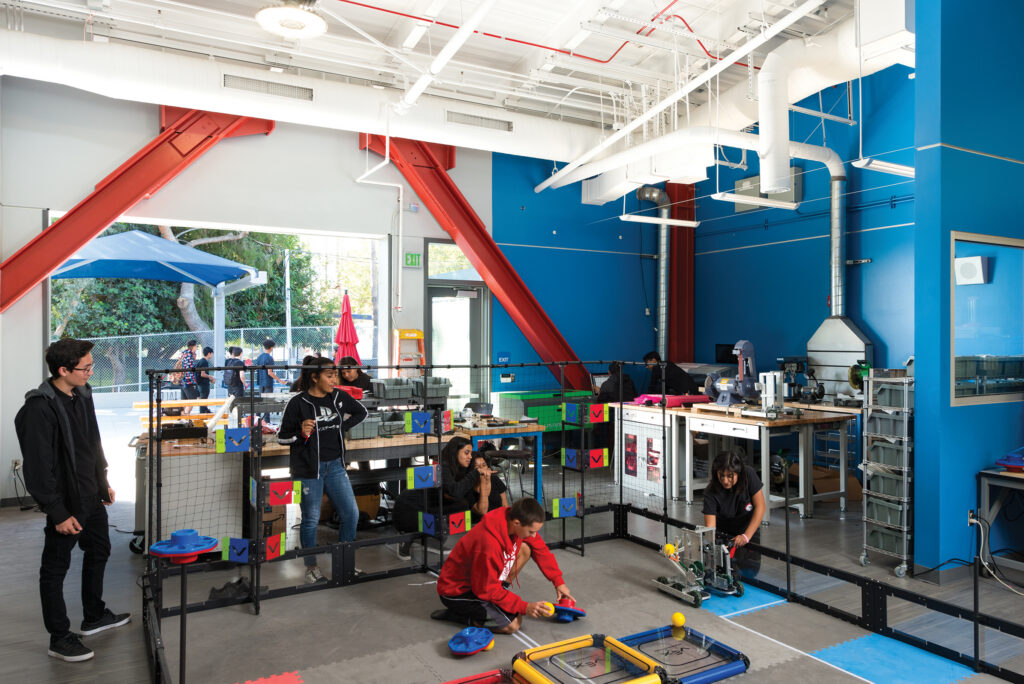
Monroe High School, Los Angeles Unified School District | Architect: Perkins Eastman. Photo: Nils Timm

Feel It, See It, Shape It

Belonging comes from being understood and accepted—by being seen, heard, addressed, responded to, and invited to engage, personalize, and contribute. This comes from both people and the spaces we create. Learning environments, in particular, are highly impactful places where students can experience and truly feel they have presence, influence, and relevance; where they have meaning; where they can learn to make a difference; where they belong.

Think back to a time when you were a child, and you felt like you belonged. Look around. What did you see? Did you feel an environment that welcomed you? Did you have a seat that was comfortable? Did the people around you look like you and could understand what was going on? Did you feel included? When designing learning environments, it is essential to listen to our students and understand what makes them feel like they belong. How to translate that into an environment of belonging is up to you.

Resources

About the Author