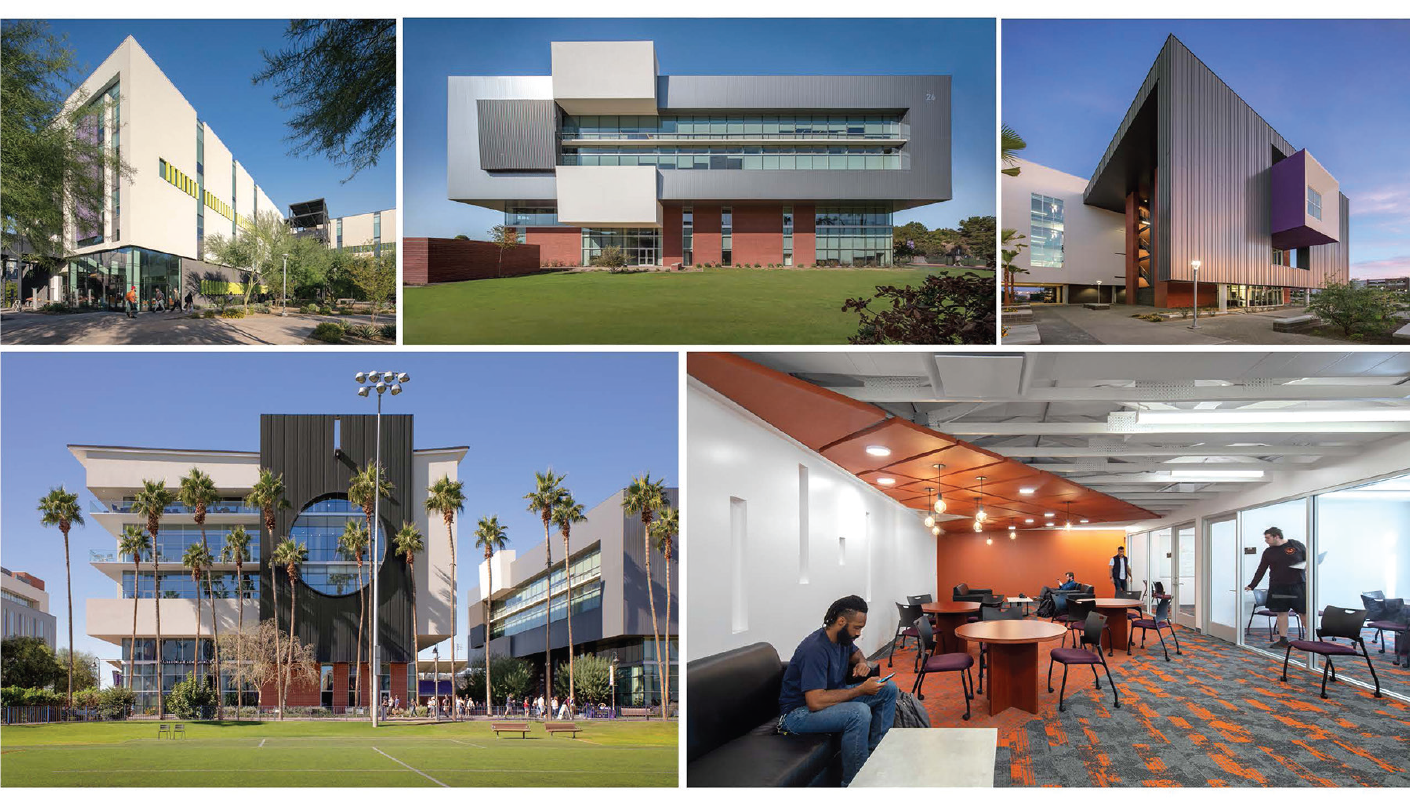


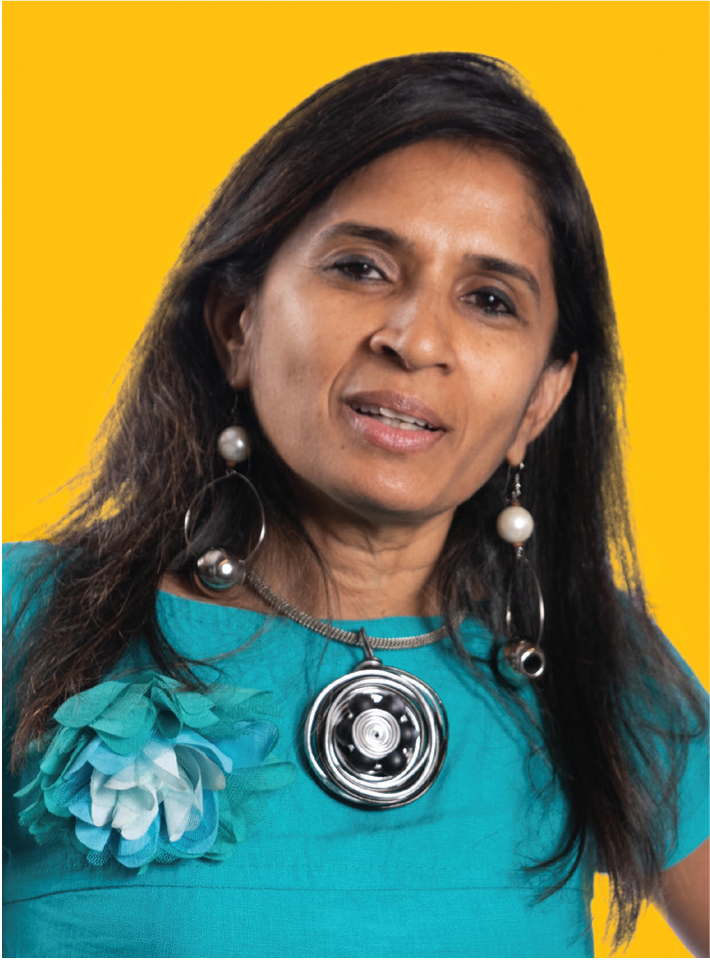
Caroline Lobo is a trailblazer in the field of educational architecture and community development, with a career spanning over 30 years. She has led numerous projects across the Southwest and Hawaii, integrating evidence-based research into the design of PreK-12 and higher education facilities. Her innovative designs have earned her multiple awards and recognition, modeling how functionality can blend seamlessly with inspiration.
Caroline’s philosophy revolves around co-creation, emphasizing collaboration with all stakeholders to ensure designs truly support student success. Her contributions have been acknowledged at various state, national, and international conferences. She has held prominent roles such as member and Chair of the AIA Committee on Architecture for Education Knowledge Community (AIA-CAE), and as President of the Arizona Chapter of the Association for Learning Environments. Caroline was instrumental in guiding the redrafting of the design for Arizona schools in 2019, influencing state-level policy.
Her national impact includes involvement in the American Architectural Foundation’s Design for Learning and National Design Alliance’s Re-Imagine America’s Schools, showcasing how thoughtful design can positively affect public schools. She co-established the AIA-CAE Research Subcommittee, advancing discussions on learning environments nationwide. Caroline also co-founded “Dialogues,” an annual research publication reaching over 50,000 architects and school districts worldwide, promoting research-based insights globally.
Caroline’s advocacy extends beyond educational architecture into community development. She founded Hatcher Urban Businesses and facilitated the creation of place-making plans for Phoenix’s distressed neighborhoods, collaborating with educational institutions, businesses, social service providers, and the city. These projects received AIA Community Design and Education Awards, highlighting her commitment to social change through design.
Her career is marked by a relentless dedication to improving learning environments and communities, making her an exemplary figure in architecture. Caroline’s work continues to challenge the status quo, pushing the boundaries of innovation in design and advocating for inclusive, research-driven approaches.