


How are arts education facilities evolving to create more inclusive and engaging learning environments?
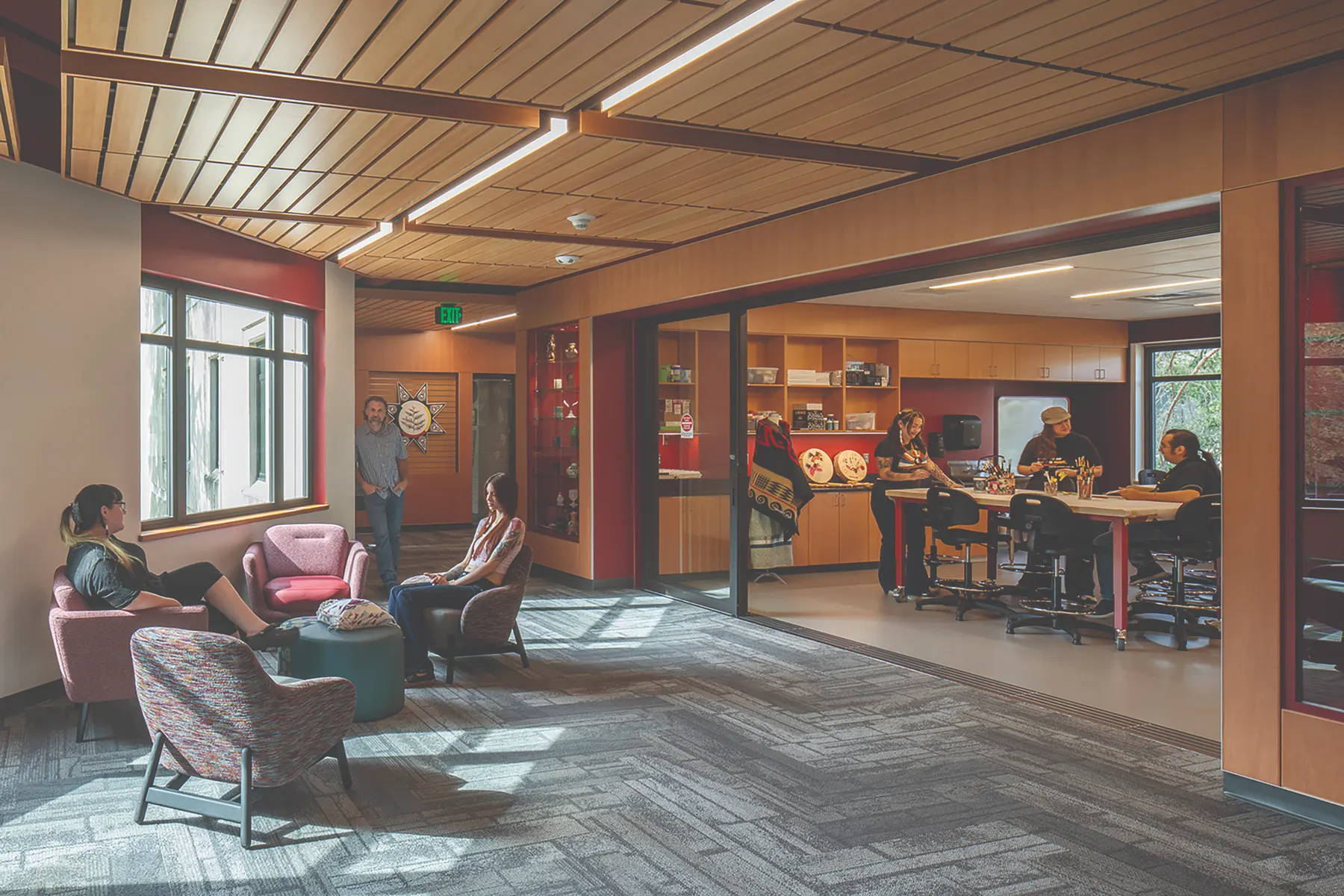
Arts facilities are evolving from collections of specialized rooms into interconnected creative ecosystems. By linking studios, rehearsal spaces, galleries, maker labs, and informal gathering areas, they create opportunities for students to learn from one another across visual arts, theater, music, and digital media. These settings make creativity visible, foster belonging, and encourage the kind of genre-bending exploration that occurs when ideas, technologies, and artistic traditions intersect in unexpected ways.
How can arts facilities better prepare students for the careers and opportunities of tomorrow?
Today’s creative professions rarely fit neatly within a single discipline. Learning environments should blend mediums, technologies, and performance forms in ways that continue to reshape how art is conceived, produced, and experienced. Arts facilities should support this evolution by creating opportunities for students to collaborate across fields, explore emerging tools, and experiment beyond traditional boundaries. By mirroring professional practice, they help students develop technical expertise, creative confidence, adaptability, and the collaborative problem-solving skills needed throughout their careers.
What should educators and planners prioritize when designing the next generation of arts education facilities?
While specialized studios, rehearsal rooms, and performance venues remain essential, intentional design attention should be given to the spaces between them, where collaboration, critique, exhibition, and discovery occur. Rather than designing around individual departments, educators and planners should focus on creating unified learning environments. These shared environments often spark meaningful innovation, allowing students to blend disciplines, technologies, and artistic traditions in new ways. By balancing specialization with flexibility, institutions can support evolving programs while creating the conditions for artistic growth and the next generation of artistic expression.