

What can museums and cultural institutions teach us about creating meaningful learning environments?
Museums are designed to inspire curiosity, celebrate achievements, and help visitors see themselves as part of a larger story. Those same principles can strengthen educational
environments.
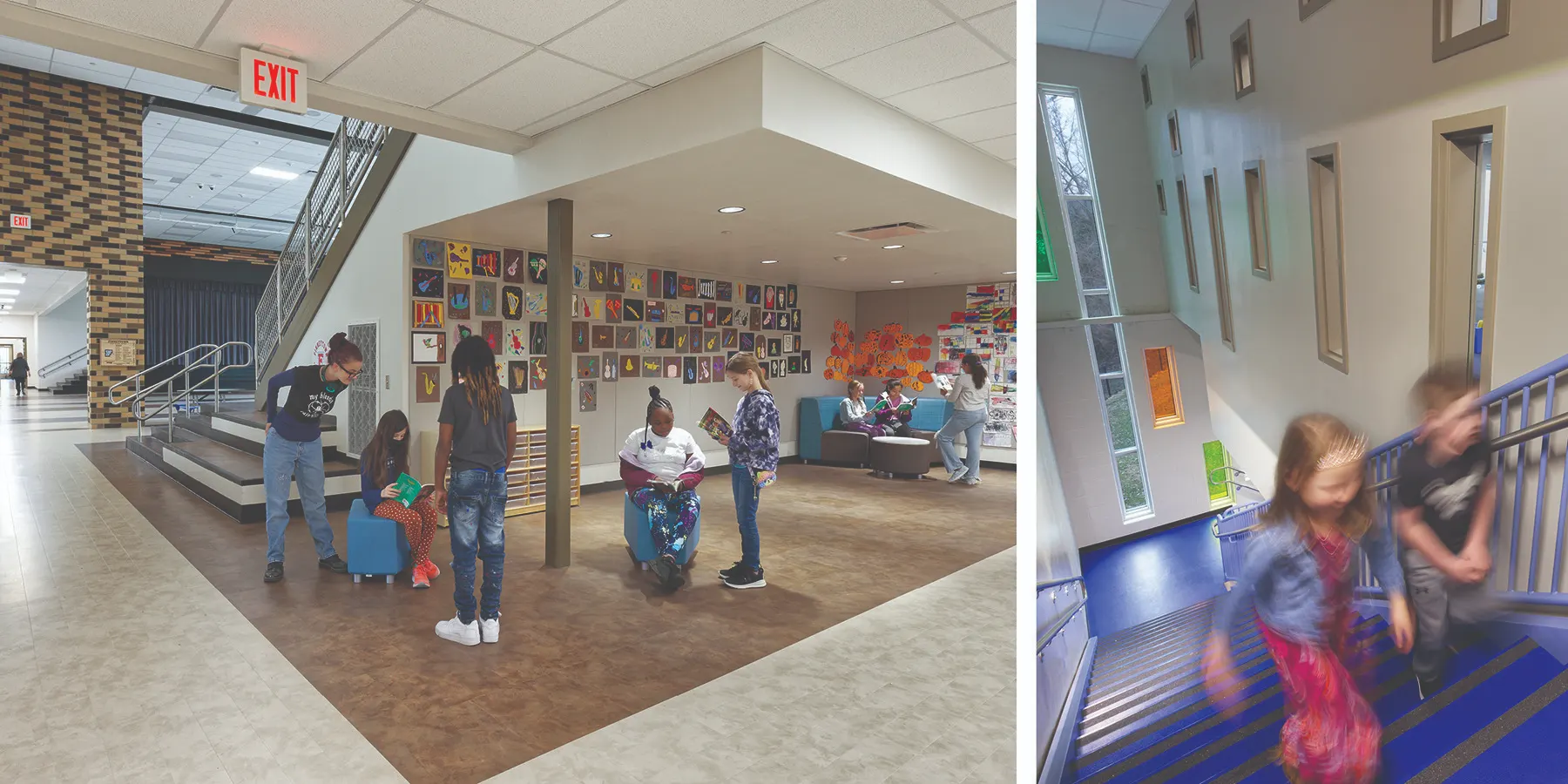
Our work with museums and cultural institutions has influenced how we think about showcasing learning and fostering student belonging. By transforming hallways, commons, and shared spaces into places that celebrate student work, schools can make learning visible and meaningful.
When students see their creativity, research, and accomplishments displayed with intention, they receive a powerful message: your work matters. These moments build pride, connection, and a stronger sense of identity within the school community.
How are lessons from nature centers, parks, and environmental projects shaping the future of K–12 schools?
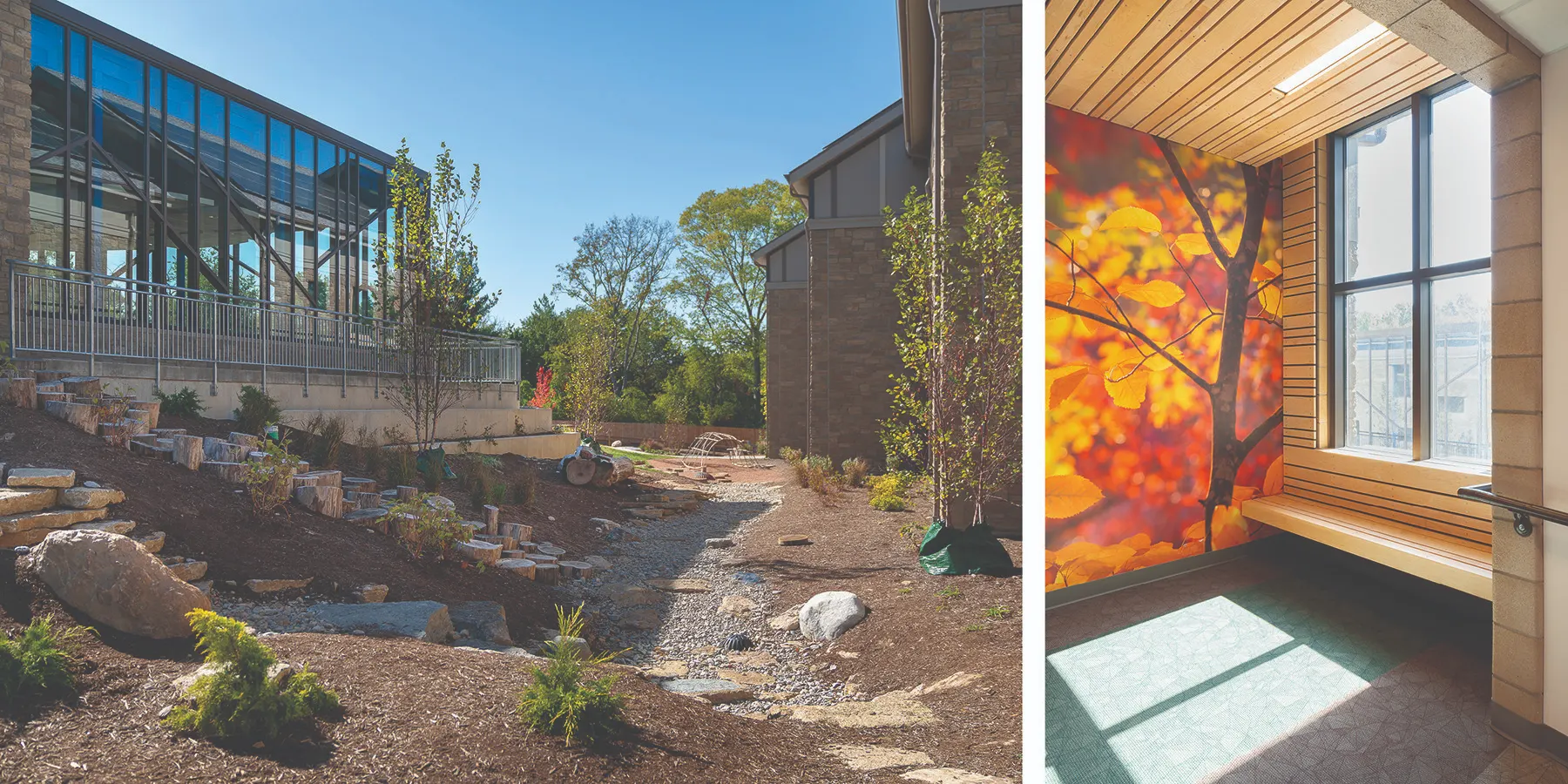
Our work on nature centers, parks, and outdoor learning environments has reinforced the value of connecting students to the natural world. Research continues to show that access to nature supports student wellness, engagement, and learning.
Today, those lessons are being applied through outdoor classrooms, nature-based play spaces, walking trails, and biophilic design strategies that incorporate daylight, natural materials, and views of nature.
These environments encourage exploration, creativity, physical activity, and environmental stewardship, making nature an integral part of the learning experience rather than an added amenity.
How does designing high-security government/military facilities influence your approach to school safety?
School safety remains a top priority for educators, parents, and communities. While schools and federal facilities serve different purposes, our experience across both markets has revealed valuable insight into creating environments that are secure, welcoming, and effective.
One of the most important lessons is that security should be embedded into the architecture rather than added as an obvious layer of protection. Through our work on military installations, government facilities, and public safety buildings, we have learned how layered security strategies, controlled access points, clear sightlines, and intuitive circulation can enhance safety while preserving a positive user experience.
In schools, these principles help maintain openness and community connection while reducing vulnerabilities. The goal is not to create buildings that feel fortified, but environments where students and staff feel safe, supported, and focused on learning.