


How do casual conversations lead to big results?
We believe some of the best insights come from truly vetting a project through everyday, genuine conversations. Walking the halls, chatting with teachers during a break, listening to custodians talk about their daily challenges—these moments uncover needs that don’t always surface in formal meetings. Those small, candid interactions often spark the biggest breakthroughs, from discovering underutilized spaces to finding ways to improve safety or efficiency without added cost. We take those insights and connect them with the bigger vision, shaping a plan that blends aspiration with practical, real-world functionality. The result is a clear, actionable roadmap that is grounded in the day-to-day reality of your schools, ensuring success from concept to completion.
What’s your secret to making strategic bond planning successful?
One of our biggest lessons learned is to lean into the needs before justifying the cost. A bond isn’t just a financial tool—it’s a promise to the community. We start by clearly defining what the district truly requires— whether it’s improved safety, updated learning environments, or expanded community spaces—so the story resonates before numbers even enter the conversation. When people connect emotionally with the need, they’re more open to understanding the investment required. From there, we map out the bond cost with precision, break it into logical phases that align with budget cycles, and present it in plain language. This approach not only builds voter trust but also ensures that, once the bond passes, the projects deliver exactly what was promised.
How do you ensure every project reflects the community it serves?
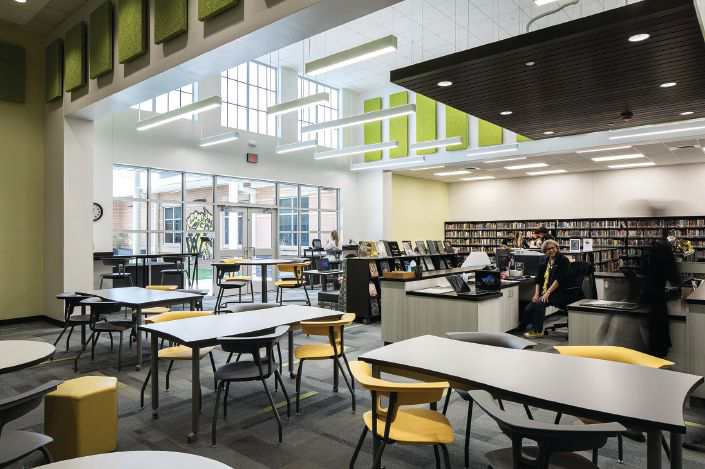
We see each school as a mirror of its community’s values, culture, and aspirations. That’s why we engage with stakeholders early and often—parents, students, educators, and local leaders—to capture the unique Shan Cunningham Photography character of the place. We look for design opportunities that celebrate local identity, whether that’s honoring historical architecture, showcasing student artwork, or creating spaces for community events. We also think about how the building will serve people beyond the school day—after-hours programs, public meeting spaces, or recreational facilities. Every decision, from material choices to site layout, is made with the community in mind. When the doors open, we want people to feel an immediate sense of ownership and pride, knowing the building was designed for them and with them.