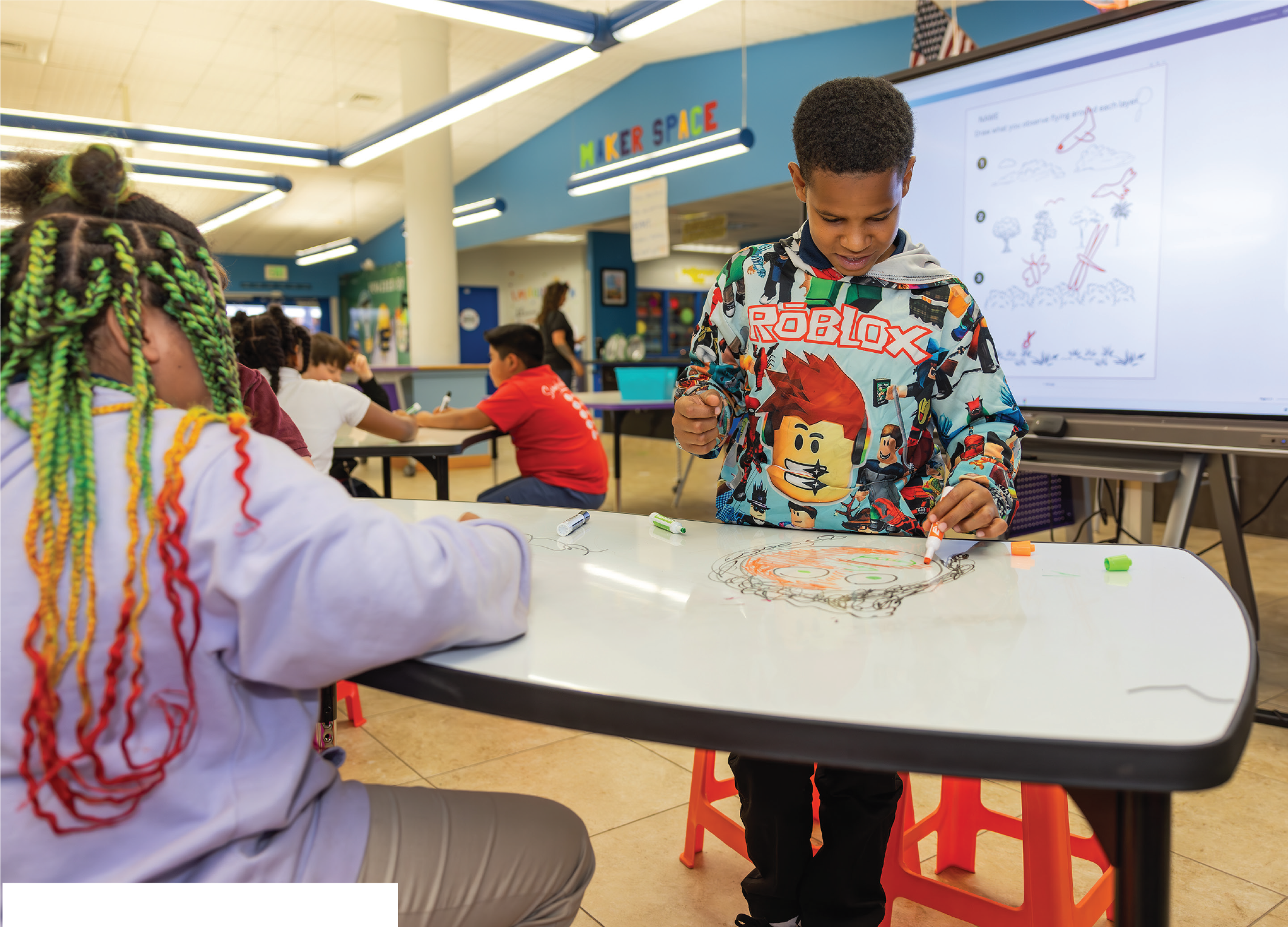

2020-2025 was an extraordinary 5-year span. We experienced a global pandemic while witnessing technology, AI, and social media make unimaginable leaps, impacting daily life more than we could have imagined.
Gen Z came of age in this environment, significantly altering their expectations and the value they put on a traditional education. The student body is evolving faster than schools can adapt—from digital learning to shifting social dynamics—and there are no signs of it slowing down. Gen Alpha is right on their heels and is even more digitally submerged.
As today’s students navigate a world of constant change, their learning environments must do more than accommodate—they must empower. Experts in e-learning, Dr. Anu Kohli and Sonam Arora explain in their paper, An Unconventional Education Landscape for Unconventional Generation Alpha, “the current conventional educational atmosphere is not sufficient to fulfill the needs of this tech-savvy generation. There needs to be a revolutionary shift to a more thought-provoking ecosystem.”1

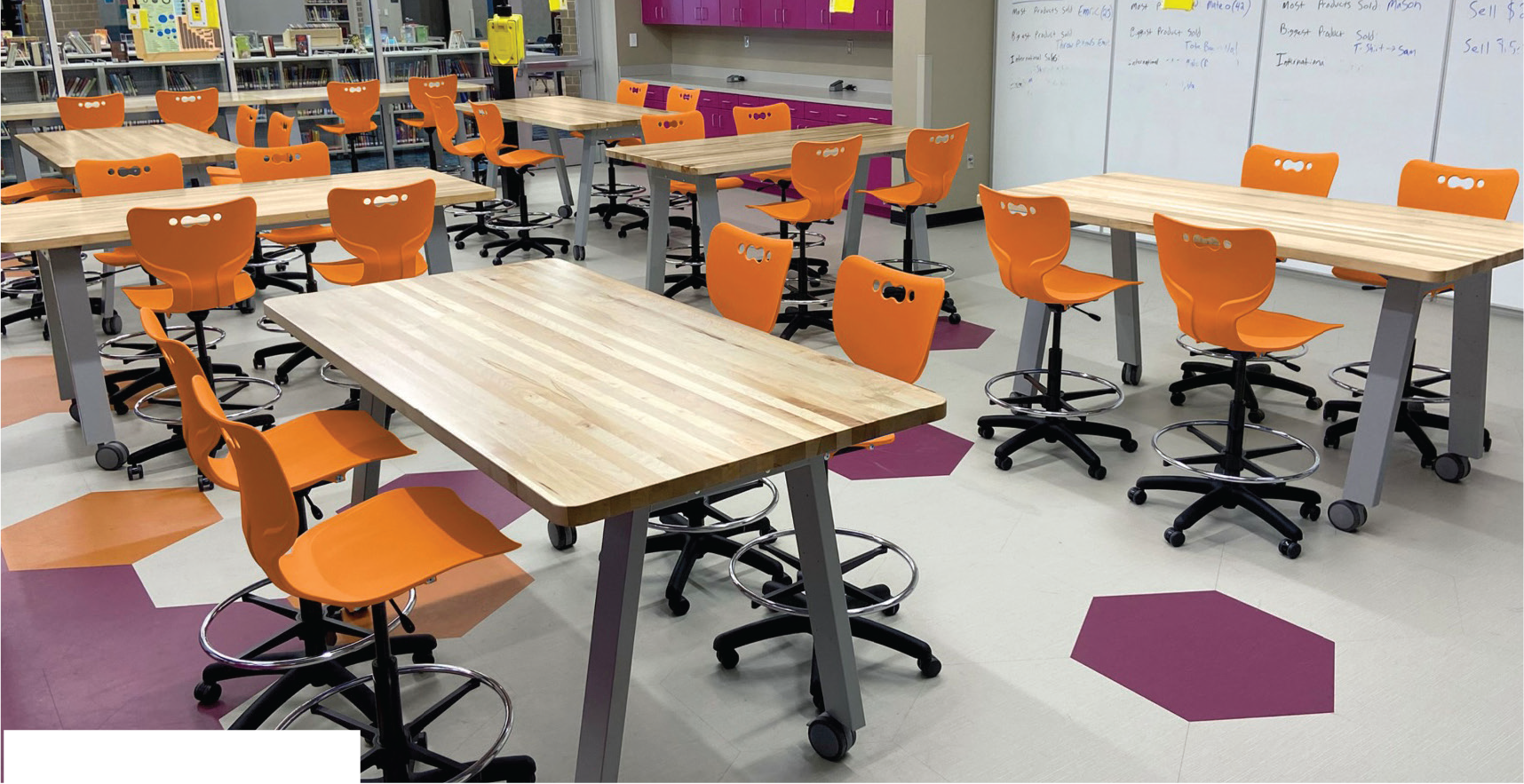
Port Neches Intermediate School Media Center
Students believe real learning happens outside of school, as classroom structures are outdated and fail to engage their curiosity, creativity, and potential. To bridge this gap, schools must rethink their role—not just as places of instruction but as hubs of inspiration and innovation by understanding what is happening in the student’s world. Schools must challenge and move beyond the 21st-century approach to design and adopt an approach that explores intentional design with a lightning-fast response rate.
When done correctly, intentional, research-driven design can meet students where they are, challenge their potential, and create learning environments that empower, engage, motivate, and prepare them for the rapidly evolving world we live in. By future-proofing educational spaces, we can ensure that students are not just accommodated but understood.
One approach is to rethink the way technology is used in the classroom. Technology is no longer just the subject in 21st-century classrooms. For Gen Z and Gen Alpha, technology is a fundamental learning tool. A group of secondary biology students in Melbourne used augmented reality (AR) to explore respiratory systems. Compared to students taught with traditional methods, the group performed 30% better in exams. “The immersive 3D experience brought abstract textbook diagrams to life.”2
“A future-ready classroom embraces technology to refine and enhance education. It is an inclusive, digitally powered environment where tools like artificial intelligence, virtual reality, and collaborative platforms make an impact. This shift doesn’t just give students access to information; it empowers them to become active creators of their learning experiences.”3