

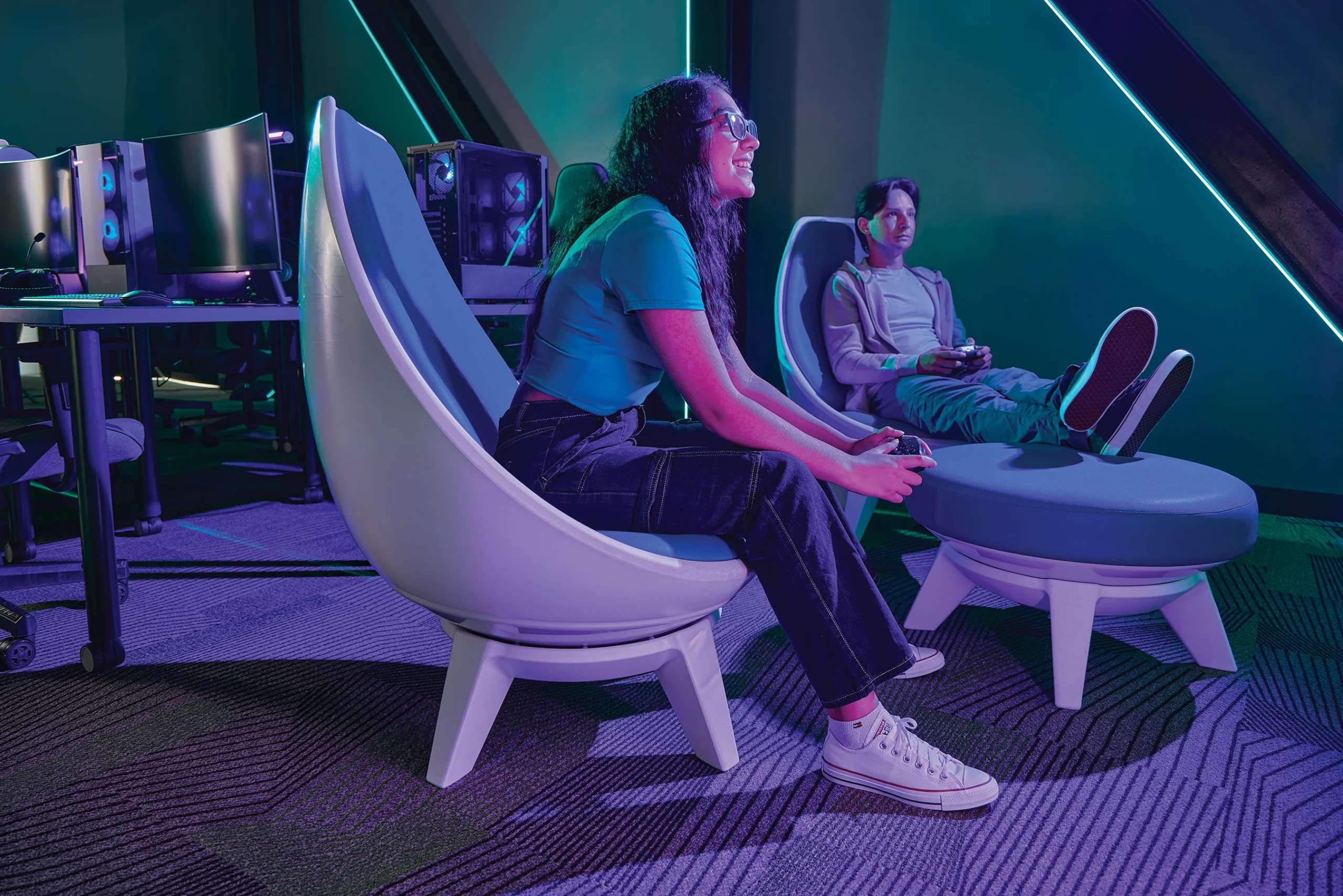
What was once regarded as a niche hobby or a child’s pastime has evolved into a powerful force in education, equipping students with critical skills and opening doors to future careers. Esports programs are redefining how students collaborate, think strategically, and engage with technology in meaningful ways.
KI recently published a collection of research that delves into the impact of well-designed esports environments, highlighting their role in student engagement, social-emotional learning, and pathways into fields like STEM, media production, and game development.
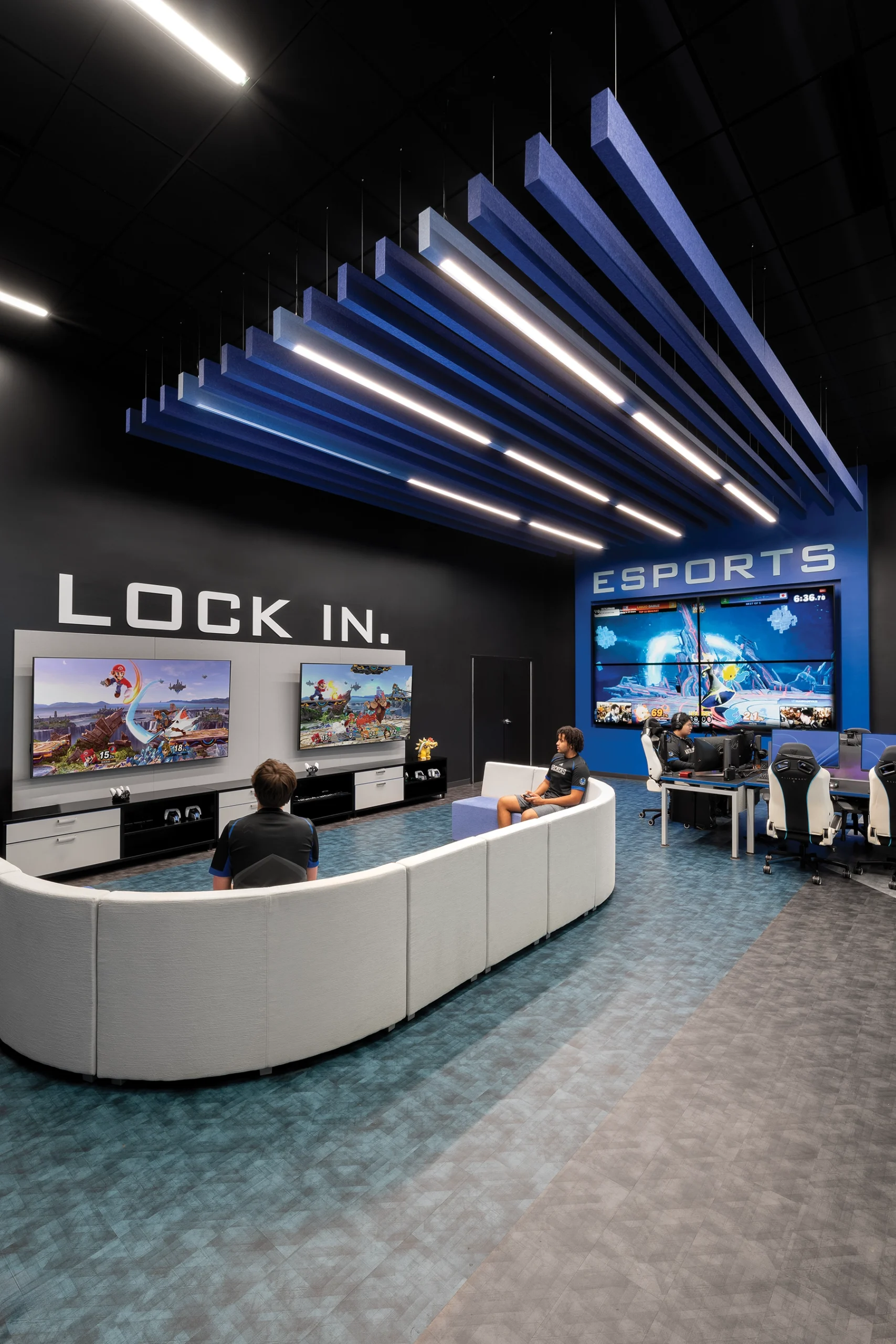
The power of esports in education
Educators are recognizing the immense benefits of competitive gaming and are rapidly integrating esports programs into their K-12 and higher education curriculum.
Competitive gaming cultivates a range of skills essential for success in today’s workforce.
- Critical Thinking & Problem-Solving – Strategizing, adapting to challenges, and making split-second decisions mirrors real-world problem-solving skills.
- Teamwork & Collaboration – Like traditional sports, esports require communication, coordination, and leadership.
- STEM & Digital Literacy – Many esports-related careers are rooted in science, technology, engineering, and mathematics.
- Resilience & Perseverance – Competing at high levels requires dedication, discipline, and the ability to overcome obstacles.
Despite lingering skepticism, research increasingly supports the positive impacts of gaming. Studies have shown that gaming can enhance cognitive functions, improve strategic thinking, and foster teamwork skills. Educators are leveraging gaming’s appeal to introduce students to STEM learning and STEAM-based curricula. Esports fosters interest in coding, cybersecurity, software development, and artificial intelligence, bridging the gap between play and purpose-driven learning.
A new era of inclusion and engagement
Beyond skill development, one of the most compelling aspects of esports is its ability to create inclusive communities. Esports participation is not limited by gender, socioeconomic status, or physical ability. Students who may not otherwise engage in other extracurricular activities often find a place to belong in esports teams and gaming clubs.
Research shows that students involved in esports programs demonstrate increased school engagement, higher retention rates, and improved academic performance. Schools and universities around the world are investing in esports infrastructure, offering scholarships, and forming varsity-level teams. Organizations like the National Association of College Esports (NACE) have seen explosive growth, with over 240 colleges and universities supporting varsity esports programs.
Moreover, inclusion extends beyond those actively competing. Esports introduces students to diverse career opportunities, including game design, broadcasting, marketing, event management, and data analytics. As educational institutions emphasize career readiness, esports serves as a gateway to thriving industries in technology, entertainment, and business. The rapid expansion of esports in education highlights its legitimacy as a structured, skill-building, and career-launching activity.
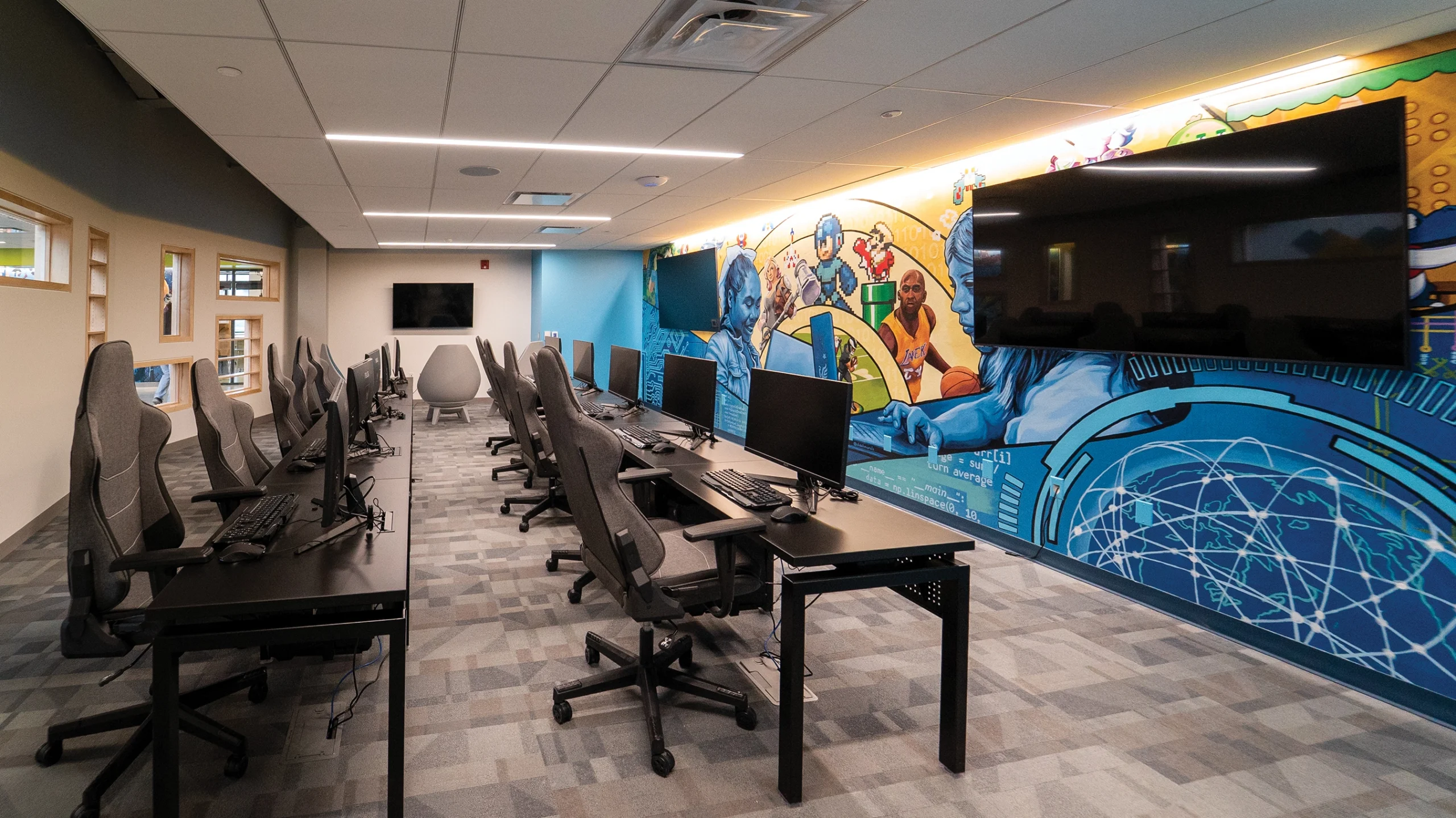
Leveling the playing field
Unlike traditional sports that require extensive resources, training facilities, and expensive equipment, esports offers a relatively low barrier to entry. Schools of all sizes can implement esports programs, providing students with access to competitive opportunities without the financial burden of maintaining large athletic programs. For smaller institutions, esports levels the playing field, allowing them to compete on a national and even global stage.
Beyond competition, schools are prioritizing student health and well-being by integrating fitness and ergonomic best practices into esports training. Coaches emphasize physical conditioning, mental preparedness, and healthy gaming habits to ensure students develop a balanced approach to competitive gaming.
Despite lingering skepticism, research increasingly supports the positive impacts of gaming. Studies have shown that gaming can enhance cognitive functions, improve strategic thinking, and foster teamwork skills.
The future of learning is here
Esports is more than a trend—it’s a powerful tool for student engagement, academic enrichment, and career development. As technology continues to shape the future of work, esports equips students with the digital-fluency, problem-solving abilities, and teamwork skills necessary to thrive in evolving industries.
For educators, administrators, and institutions looking to harness the power of esports, the time to act is now. By embracing competitive gaming, schools can unlock new opportunities for students, foster inclusive learning environments, and prepare the next generation for a tech-driven world.
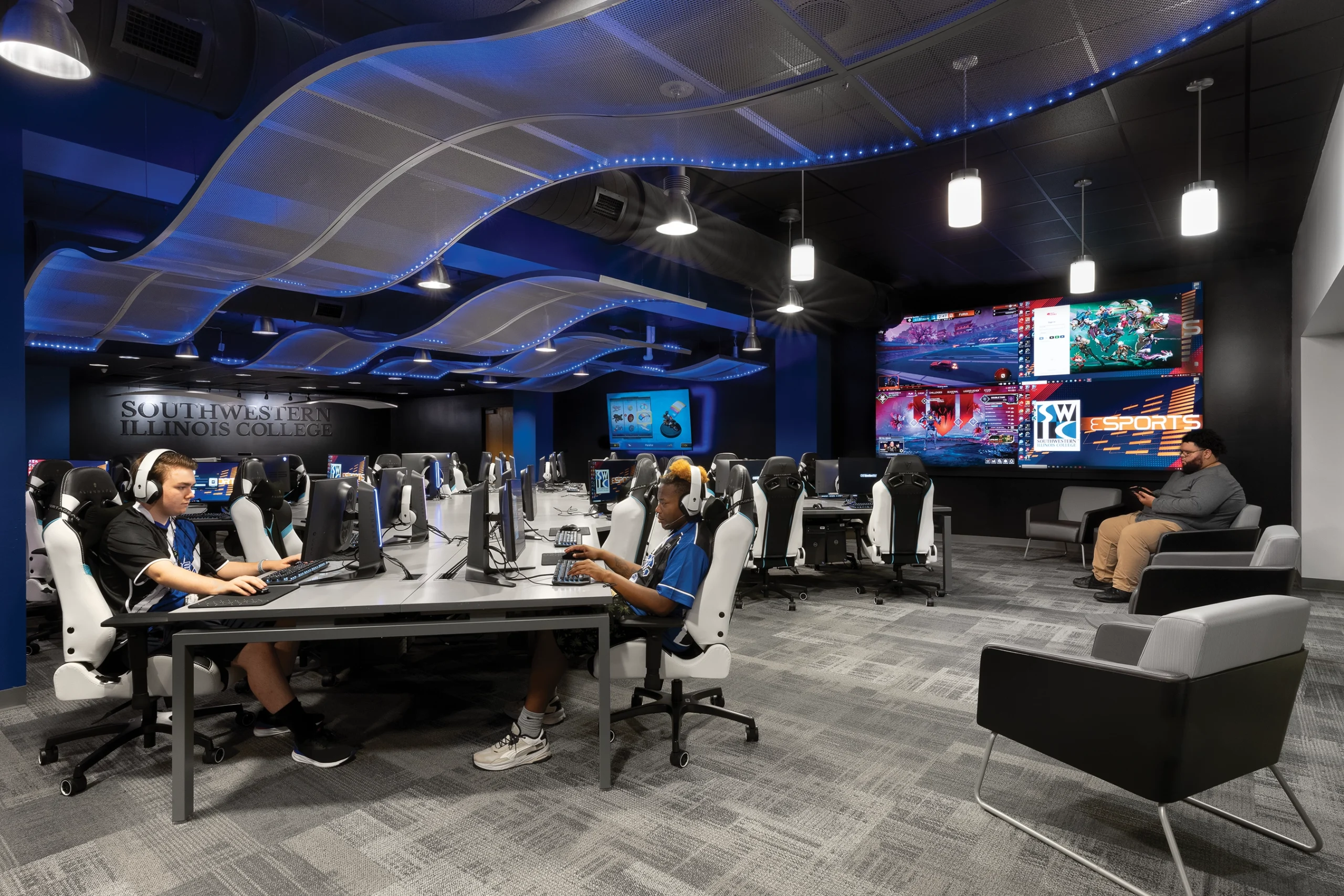

KI and Furnishing Knowledge are registered trademarks of Krueger International, Inc.

Want to learn more about how esports can transform education?
This article provides an abbreviated overview of our research findings. For comprehensive access to our full white paper, Game On! How Esports in Education Can Prepare Students for Brighter Futures, please scan the QR code.