


In January 2025, the Northern and Southern California Chapters of Association for Learning Environments (A4LE) came together to host a webinar titled “PreK–12 Workforce Housing – Key Insights and Lessons Learned.” The 90-minute session brought together leaders across the country—including California, Hawaii, and Virginia—to explore the critical intersection of education, housing, and community development.
Panelists represented a diverse cross-section of expertise, from districts and state agencies to housing organizations and policy advisors. Their shared message: Workforce housing is becoming an essential strategy for supporting educators, stabilizing school communities, and improving student outcomes.
Why Workforce Housing Matters
Across California and beyond, housing affordability has emerged as a critical issue for school districts. Rising housing costs have made it increasingly difficult for educators and staff to live near the schools where they work. The result? Fewer qualified applicants, higher turnover, and deepening inequities in the education system.
More than 200 California school districts faced unfilled teaching positions at the start of the 2023-24 academic year, with some districts experiencing particularly severe shortages in certain subjects and areas. Workforce housing, often built on underutilized district-owned land, offers a compelling solution: to create affordable, below-market rental housing for teachers and staff to live in the communities they serve.
While not intended as permanent housing, these developments offer a transitional opportunity—giving educators time to save for a home, reduce commuting costs, and remain rooted in the districts where they teach.
Key Insights and Lessons Learned
Untapped Potential in District-Owned Land
California’s Local Education Agencies (LEAs) and school districts collectively own approximately 151,000 acres of land total with approximately 75,000 acres identified as potentially developable. Of those,
- 61% are in areas where beginning teachers/younger staff face affordability challenges.
- 40% fall within areas that are likely to be competitive for affordable housing financing opportunities.
By leveraging these developable and under-utilized parcels of land, districts can avoid costly land acquisition and begin to directly address housing challenges while also improving the local economy and community stability.
Evolving Legislative Support
Recent California legislation has begun to pave the way for education-led housing efforts.
- Assembly Bill 2295 (2022) that took effect in 2024 streamlined zoning for housing on district land.
- AB 1021 (2025) addresses some of the legal uncertainties and remaining technical challenges. The bill is currently awaiting action by the California State Senate.
- Funding-related bill, AB 1381 (sponsored by CSBA) is a two-year bill that is currently in the review process
While legislation is progressing, funding gaps and legal complexities remain key barriers, especially during early pre-development stages.

More than 60 percent of San Francisco Unified School District teachers spend more than 30 percent of their income on rent.
Image: © Multistudio

More than 15 percent of teachers in San Francisco spend more than 50 percent of their income on rent.
Image: © Multistudio
The Realities of Project Timelines
Workforce housing is not a quick fix. Panelists shared that most projects take five (5) to ten (10) years from concept to completion. Districts must navigate feasibility studies, community feedback, partner selection, and funding rounds—often without in-house development expertise. Strategic planning and coalition-building from the start are essential.
CSBA and CDE as Catalysts
Both the California School Boards Association (CSBA) and California Department of Education (CDE) are playing instrumental roles in advancing workforce housing across the state.
- CSBA provides training, resources, and connections to ensure that school districts can successfully embark on these housing initiatives. By offering guidance on policy, funding strategies, and community engagement, CSBA helps districts create effective and sustainable housing projects.
- CDE is working to accelerate and scale up workforce housing projects both short and long term. CDE facilitates the creation of key coalitions with housing advocates, unions, developers, and businesses. Upfront funding for pre-development consultants is essential. CDE is exploring a statewide fund to help districts cover pre-development costs, estimated at $10–15 million. This may lead directly to a Request for Proposal (RFP) process, which is one of the key steps to proceed with a project(s).
In addition, collaborative models, such as San Diego Unified School District’s partnership with local governments and community colleges to form a regional housing authority are showing what’s possible at the regional scale.
Tangible Impact of Workforce Housing: Jefferson Union High School District
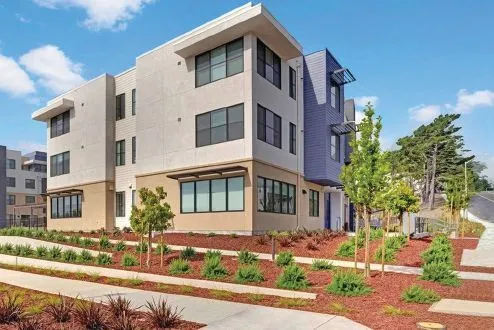
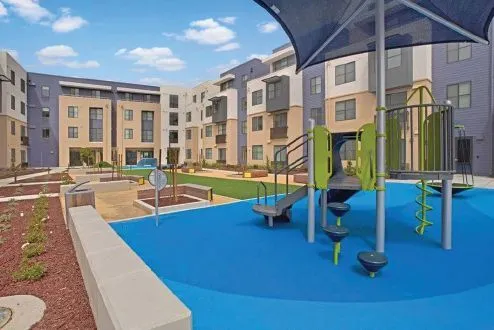
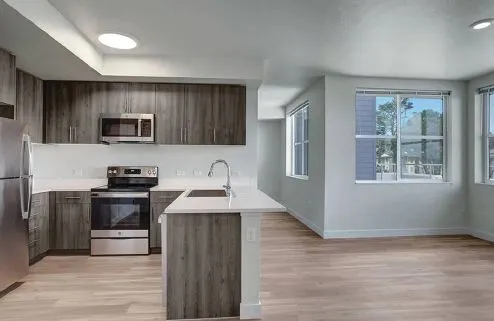
The Jefferson Union High School District (JUHSD) became an early leader in workforce housing with its 122-unit affordable housing project. Before the project, JUHSD faced a 25% annual turnover rate. After completion of the project, the district saw a dramatic retention increase, resulting in a more stable educational environment for students.
The ripple effect extended beyond education—other essential workers such as healthcare professionals, municipal employees, and retail staff also gained access to affordable housing, reinforcing the role of schools as community anchors and strengthening the local community and economy.
Jefferson Union High School District (JUHSD) Serramonte housing. Images courtesy JUHSD

Sustainability and Long-Term Success
To ensure long-term success, districts must approach housing as more than construction. Issues such as governance, tenant transition, and maintenance require thoughtful planning. Many districts are also incorporating financial literacy and homeownership pathways to help educators build stability and transition out of the district-provided housing or eventually purchase a home.
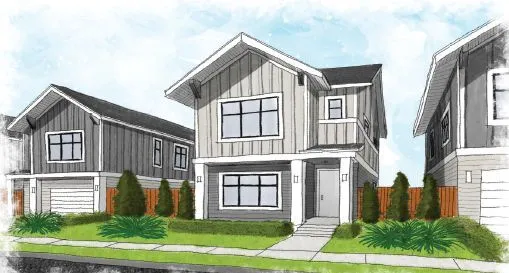
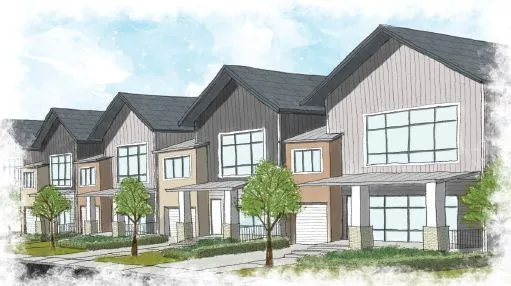
Twin Rivers Unified School District workforce single family houses and townhouses. Images: © 91-6 Architects, Sacramento, CA
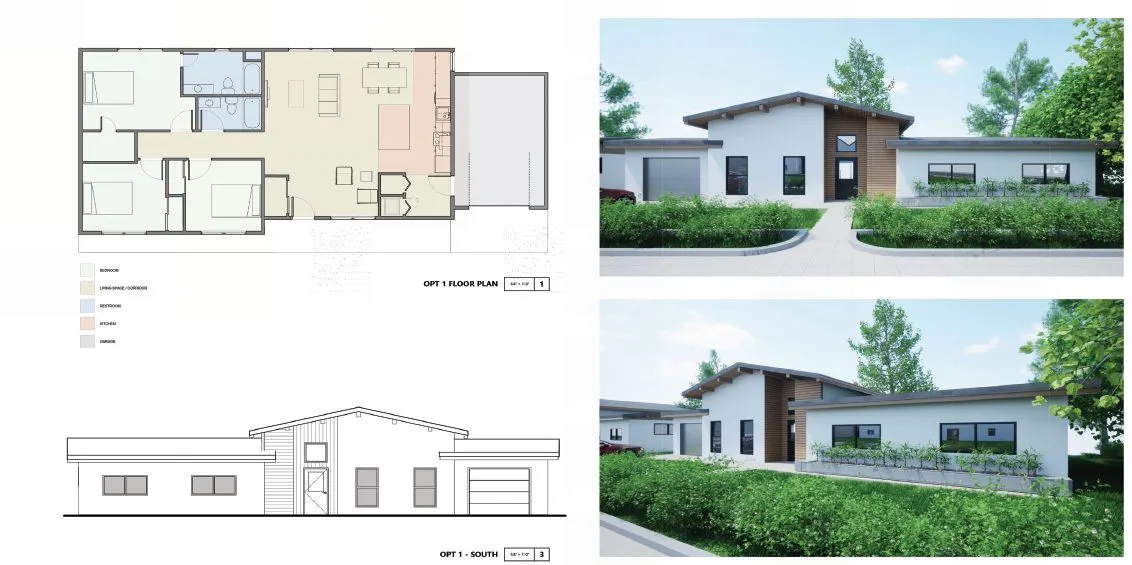
Twin Rivers Unified School District: A Case in Progress
With over 25,000 students across 54 schools over 82 square miles, the Twin Rivers Unified School District (TRUSD) is developing a workforce housing strategy that includes offering units at 20% below market rates to attract and retain employees, including essential workers like municipal employees and healthcare workers.
A community advisory committee, including labor partners, is helping shape policies on eligibility and lease terms. Construction is expected to begin in late 2025 or early 2026, following ongoing feasibility studies and funding discussions.
The Path Forward
Workforce housing may not solve every challenge facing school districts, but it offers a clear, actionable strategy to support educators and strengthen school communities. When rooted in local priorities, built on district-owned land, and supported by thoughtful policy and funding mechanisms, it offers tangible relief to educators, improves school performance, and strengthens communities.
For school districts, early-stage planning, community engagement, and the support of organizations like CSBA and CDE are essential. Stakeholders, including housing advocates, developers, unions, and policymakers, must work together to ensure that these projects are not only built but sustained. Finding incentives for all these key participants is essential for school districts to meet community social, environmental, and economic metrics.
As more LEAs and school districts explore this model, it’s clear that workforce housing is becoming a critical tool in addressing the concurrent crises of educator retention and housing afford-ability.
Resources
- California School Board Association (CSBA) Education Workforce Housing website including a library of videos; case stud-ies of completed developments; interactive maps; training materials and templates; advocacy research and media; experts and consultants.
- Developing a Blueprint for PreK-12 Workforce Housing. Articles, webinar synopsis, and resources curated by Multistudio. https://www.multi.studio/perspective/perspective/workforce-housing
- Center for Cities+Schools, University of California, Berkeley. https://citiesandschools.berkeley.edu/major-initiatives/education-workforce-housing/
- Texas Workforce Housing Foundation: https://www.txwhf.org/
- The Council of Academic Workforce Housing. A group of foundations, non-profits, and university departments that develop and manage affordable housing programs for employees of universities. https://cofawh.com/