Built for Belonging
Many people think of belonging as being only about social connections. However, research points to a broader definition that suggests an important role for architecture.


Many people think of belonging as being only about social connections. However, research points to a broader definition that suggests an important role for architecture.
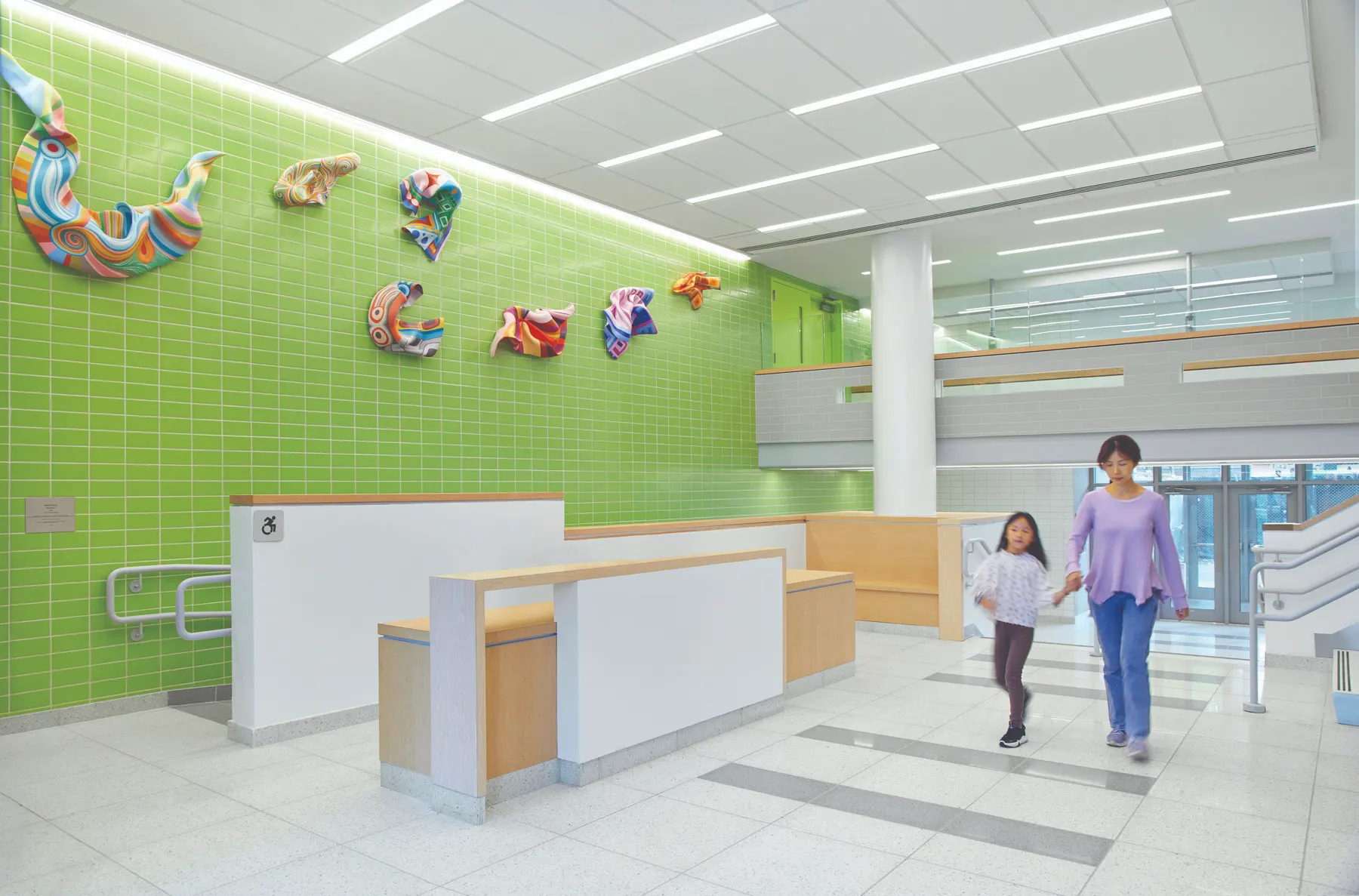
Issue and Proposed Solution: New York City’s aging public-school infrastructure presents a significant accessibility challenge. With most school buildings constructed decades before modern accessibility standards, creating inclusive learning environments requires complex interventions within existing structures. Unlike new construction, accessibility upgrades must respond to limitations posed by floor layouts, circulation patterns,
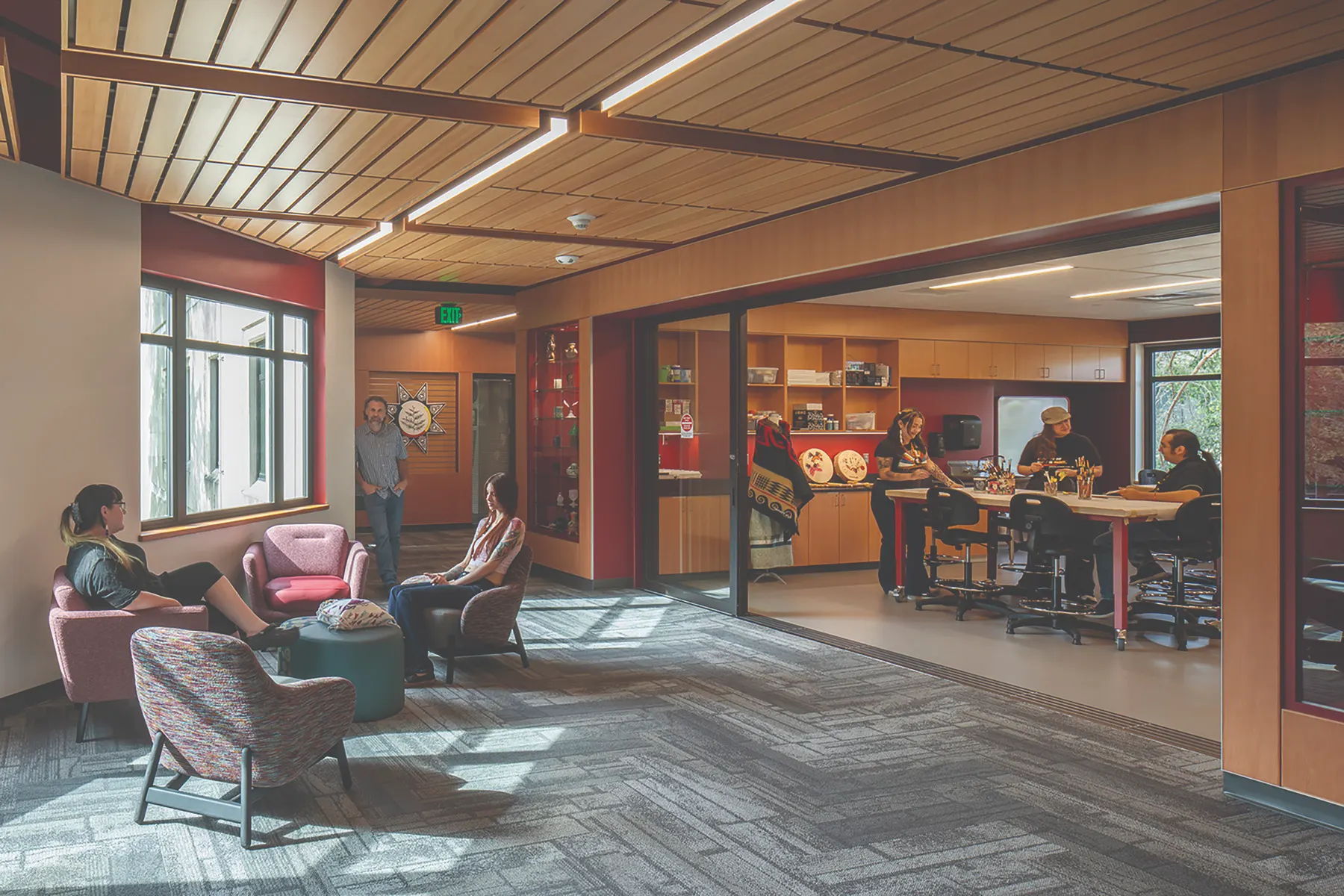
How are arts education facilities evolving to create more inclusive and engaging learning environments? Arts facilities are evolving from collections of specialized rooms into interconnected creative ecosystems. By linking studios, rehearsal spaces, galleries, maker labs, and informal gathering areas, they create opportunities for students to learn from one another across
What is your background and your current role? I’ve been with ESa for four years and currently serve as a Project Manager, with a background spanning education, commercial, and community + arts projects. My interest in architecture started young, building with LEGOs and mixing sets to explore different possibilities. I
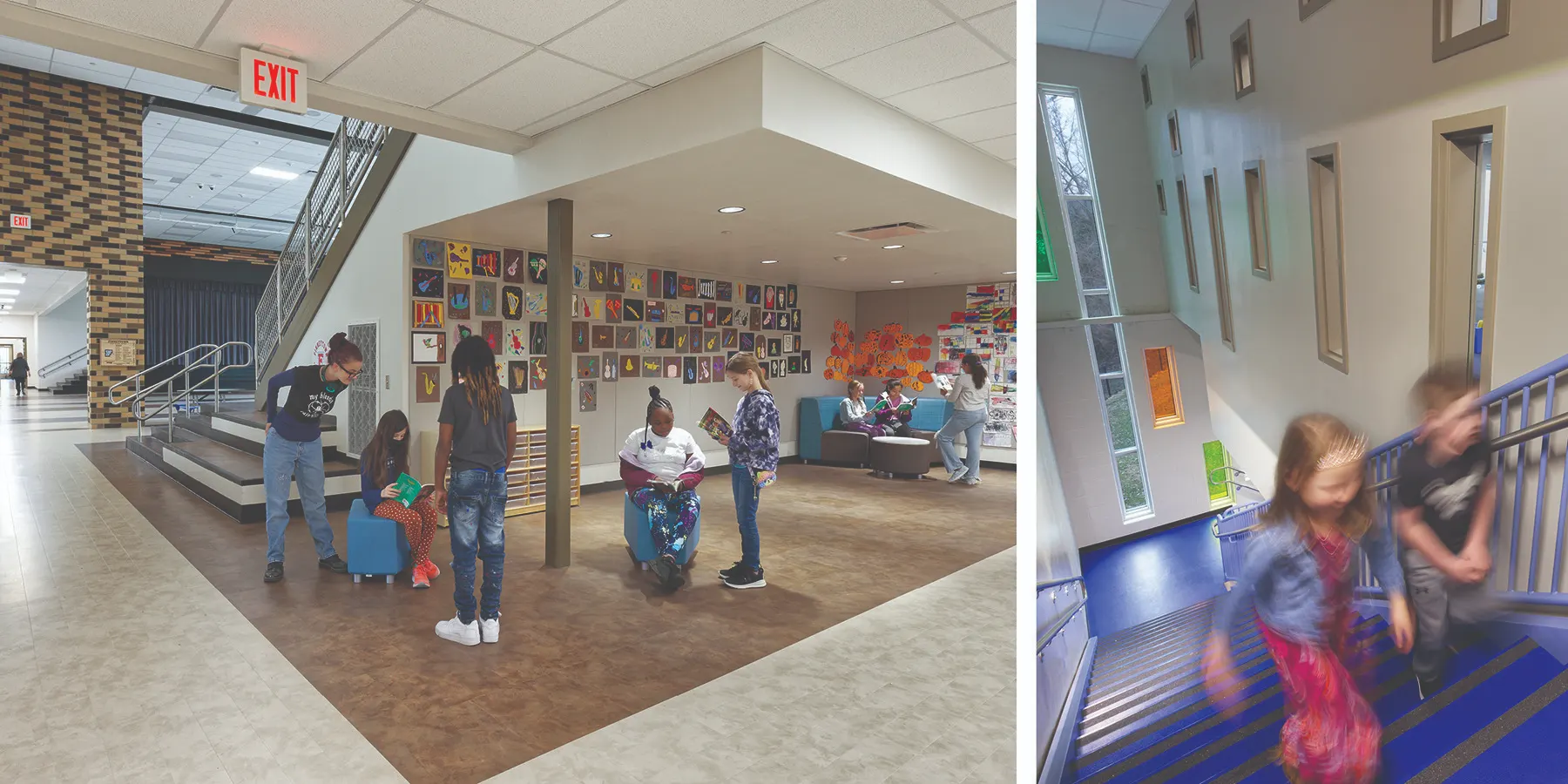
What can museums and cultural institutions teach us about creating meaningful learning environments? Museums are designed to inspire curiosity, celebrate achievements, and help visitors see themselves as part of a larger story. Those same principles can strengthen educational environments. Our work with museums and cultural institutions has influenced how we
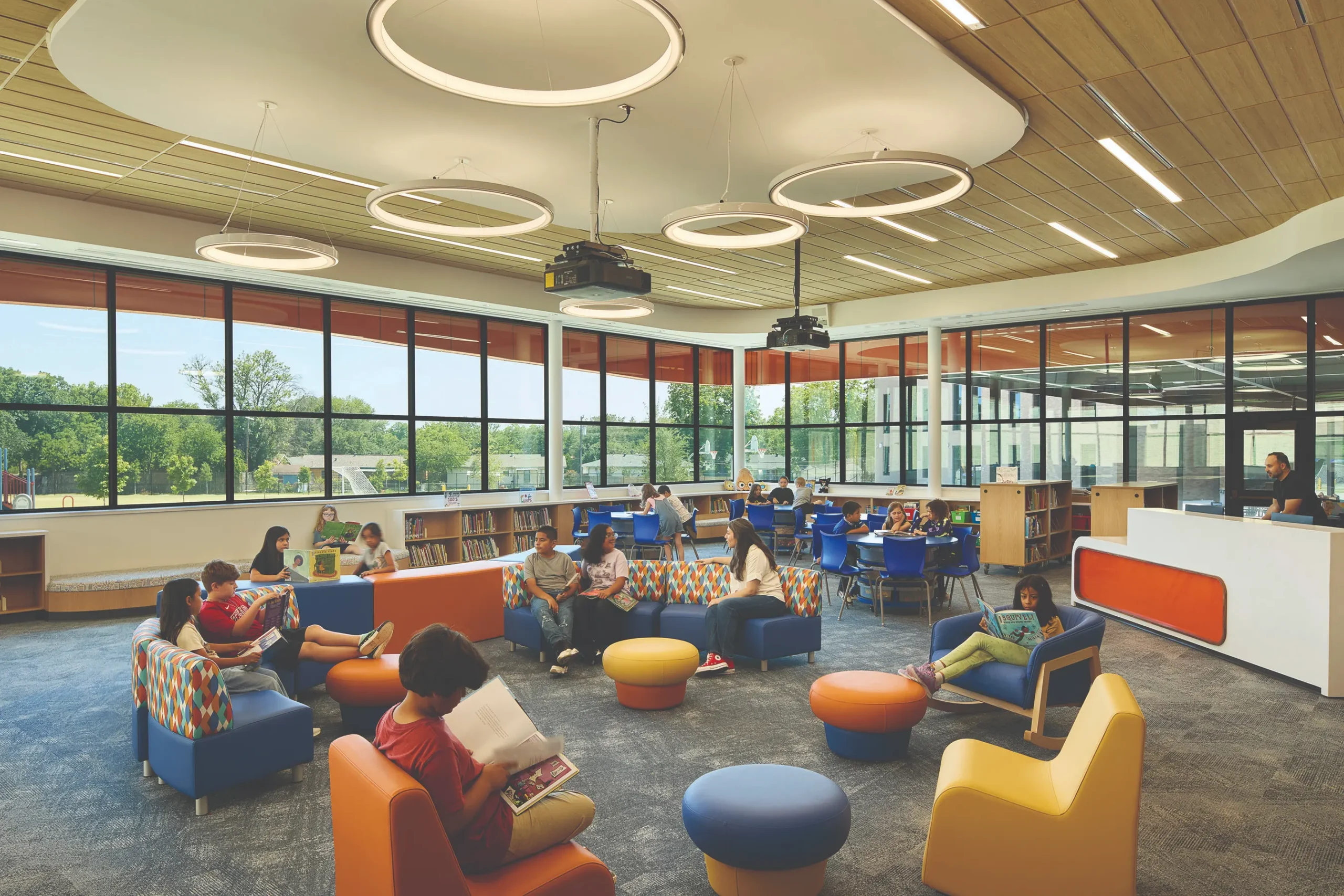
If there is one thing I should know about school design, or one thing every classroom should have, what is it? My answer is always the same. Windows.
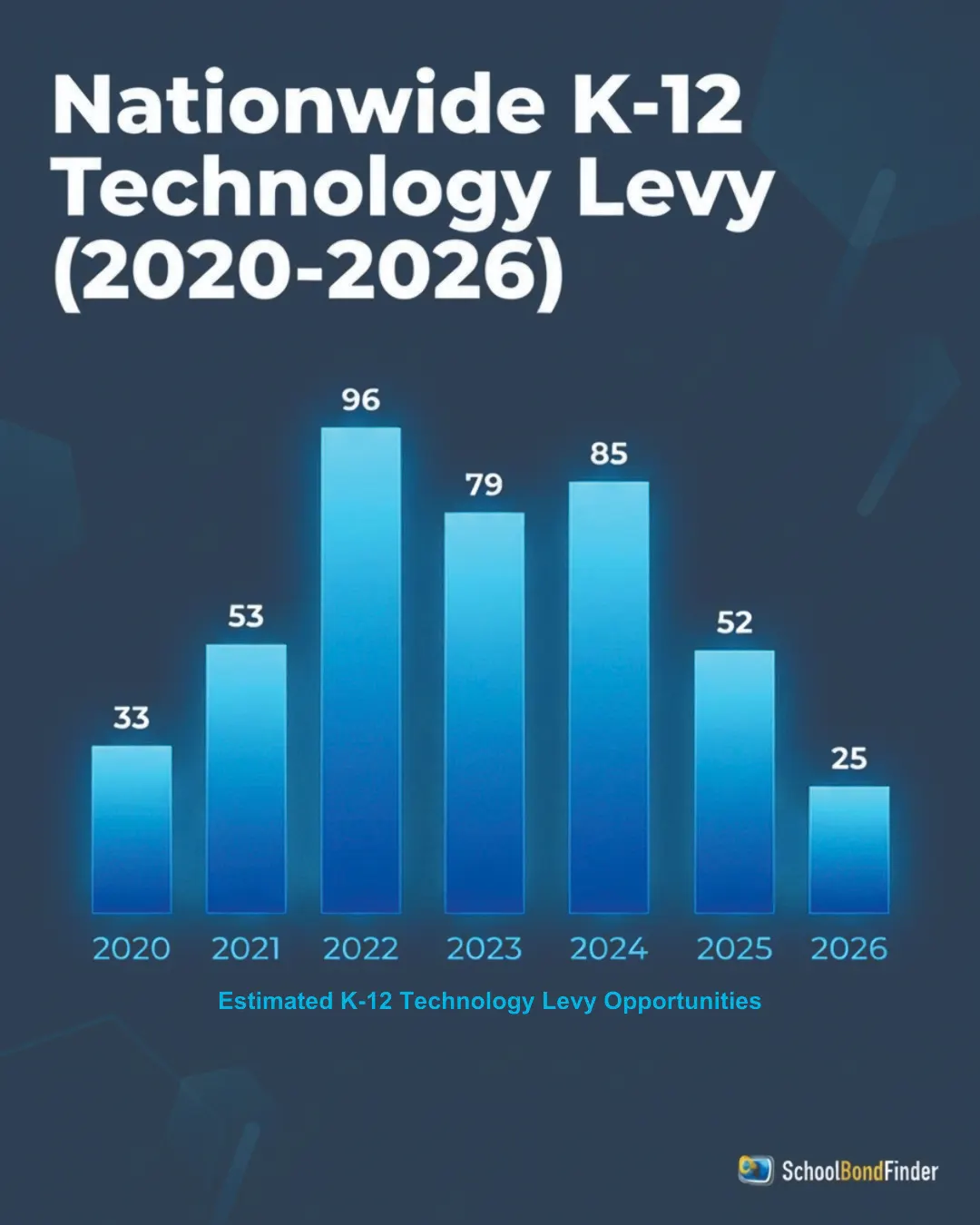
A significant portion of public school budgets are spent on technology using funds raised through local bond elections and levies
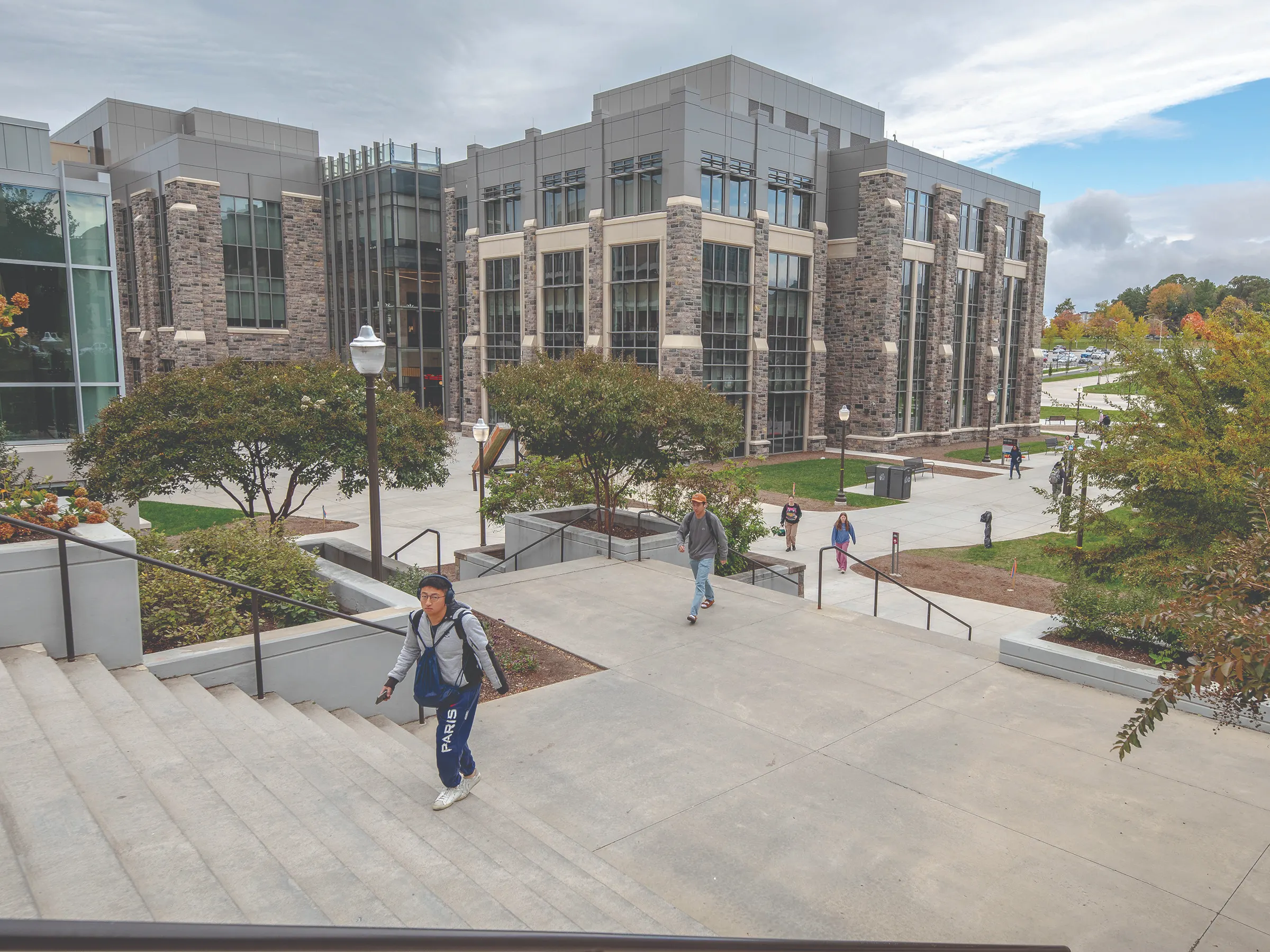
In 2024, Virginia Tech completed a new building housing dining and education facilities. Hitt Hall is special in many ways.
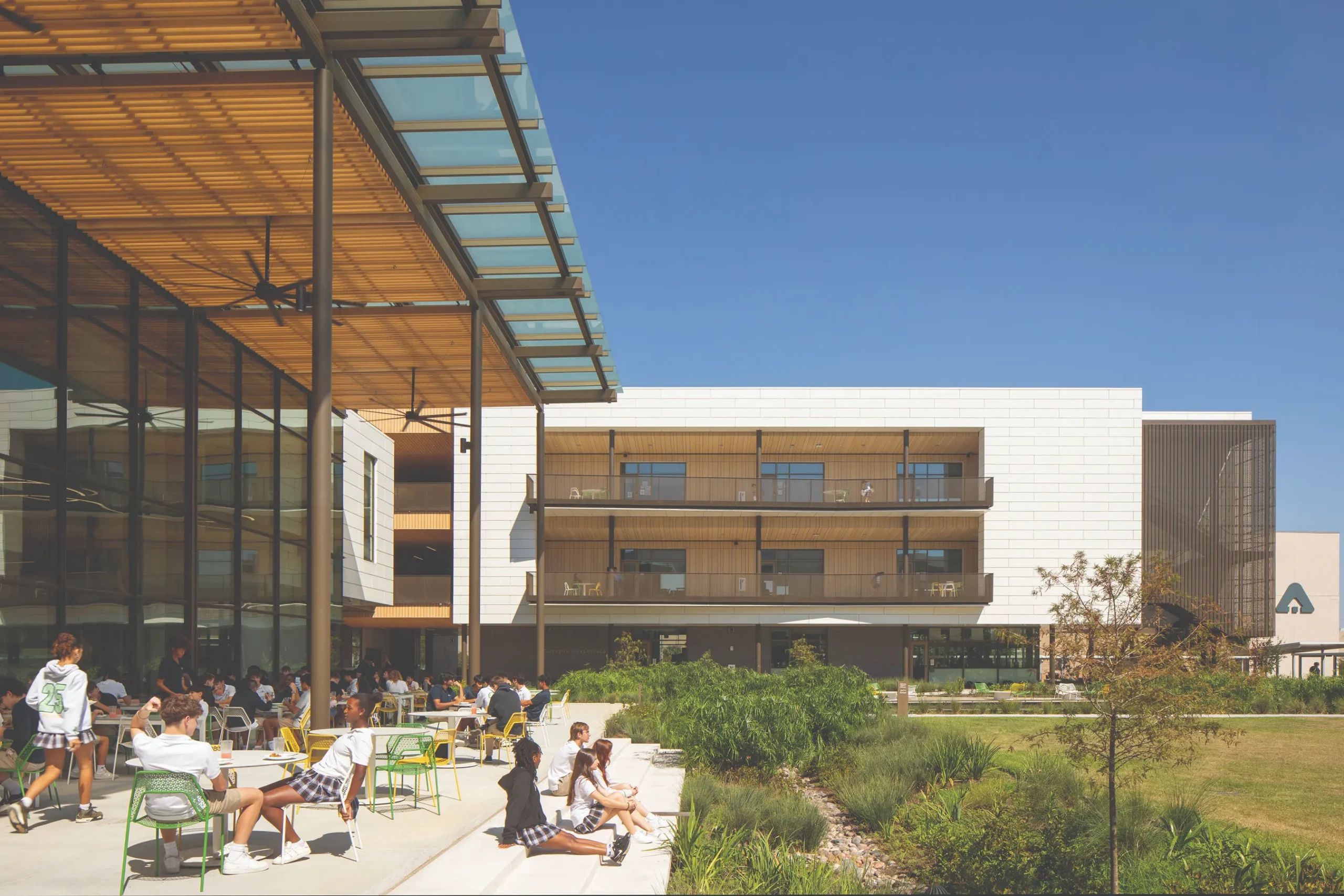
This is the second article of a two-part series by the American Institute of Architect’s (AIA) Committee on Architecture for Education (CAE) sharing insights from recent AIA Educational Facility Awards.
Our public school districts are stretched thin and the pressures facing them are mounting. By the numbers, the last three State of Our Schools publications (2016, 2020, 2026 – 21st Century Fund) estimates that between 2016-2026 public K–12 enrollment fell 1%, the gross square footage of our nation’s school buildings
When resources become constrained, enrollment patterns change, operational costs rise, technology advances, or public support becomes uncertain, how do educational communities protect the vision that guided their work in the first place?
When preparing each edition of Learning By Design, I pause to reflect not only on what is happening now, but also on what lies ahead for the future of educational space design. How will societal shifts, emerging technologies, workforce demands, and demographic changes shape the work of our readers?